শিক্ষাজীবন
তামিরুল মিল্লাত কামিল মাদ্রাসা থেকে আলিম সম্পন্ন করে রাজশাহী বিশ্ববিদ্যালয়ে অধ্যয়ন করছেন। শিক্ষা তাঁর কাছে সমাজকে বোঝা, প্রশ্ন করা ও দায়িত্বশীল হওয়ার প্রস্তুতি।
স্বাধীনতা · ইনসাফ · মানুষের মর্যাদাINDEPENDENCE · JUSTICE · HUMAN DIGNITY
ঢাকা, বাংলাদেশDHAKA, BANGLADESH
আধিপত্যবাদবিরোধী রাজনীতির বলিষ্ঠ কণ্ঠস্বর
কেন্দ্রীয় আহ্বায়ক, মঞ্চ ২৪
একটি স্বাধীন, সার্বভৌম, ইনসাফভিত্তিক ও জনকল্যাণমুখী নয়া বাংলাদেশ বিনির্মাণের স্বপ্ন নিয়ে কাজ করে যাচ্ছি। মানুষের মৌলিক অধিকার, সাম্য, ন্যায়বিচার ও মানবিক মর্যাদা প্রতিষ্ঠাই আমার রাজনৈতিক অঙ্গীকার।
পথচলা জানুন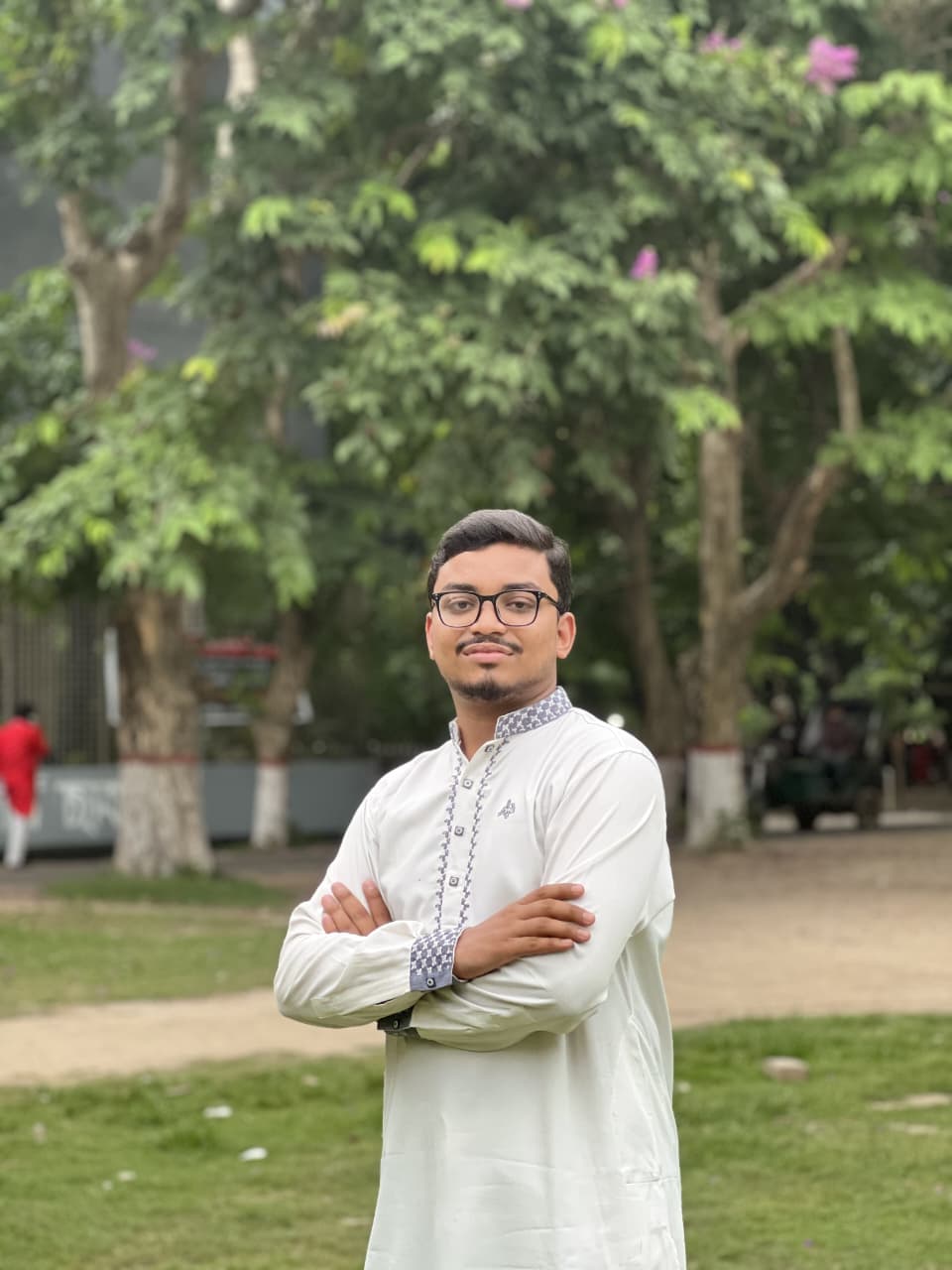
স্বাধীনতাজাতীয় আত্মমর্যাদা ও সার্বভৌমত্ব
ইনসাফঅধিকার, সমতা ও জবাবদিহি
জনসম্পৃক্ততামানুষের কথা, মানুষের পাশে
01পরিচিতি
ফাহিম ফারুকী একজন শিক্ষার্থী, কবি, লেখক, সাংস্কৃতিক সংগঠক এবং মঞ্চ ২৪-এর কেন্দ্রীয় আহ্বায়ক। সাহিত্য ও সংস্কৃতিচর্চার মধ্য দিয়ে শুরু হওয়া তাঁর সাংগঠনিক পথচলা পরবর্তী সময়ে রাজনৈতিক অঙ্গনে বিস্তৃত হয়েছে।
স্বাধীনতা, সার্বভৌমত্ব, ন্যায়বিচার ও মানুষের মৌলিক অধিকার তাঁর রাজনৈতিক চিন্তার প্রধান বিষয়। মানুষের সঙ্গে সরাসরি সম্পর্ক, দায়িত্বশীল নেতৃত্ব এবং জনকল্যাণের অঙ্গীকার তাঁর কাজের অভিমুখ।
পূর্ণ জীবনী পড়ুন02শিক্ষা ও শিকড়
তামিরুল মিল্লাত কামিল মাদ্রাসা থেকে আলিম সম্পন্ন করে রাজশাহী বিশ্ববিদ্যালয়ে অধ্যয়ন করছেন। শিক্ষা তাঁর কাছে সমাজকে বোঝা, প্রশ্ন করা ও দায়িত্বশীল হওয়ার প্রস্তুতি।
চার ভাইবোনের পরিবারে বাবা শিক্ষক, মা গৃহিণী। শিক্ষা, সততা ও দায়িত্ববোধ তাঁর পারিবারিক পরিচয়ের গুরুত্বপূর্ণ অংশ।
স্কুলজীবন থেকে লেখালেখি এবং বিতর্কচর্চা। এনডিএফ বিডি ন্যাশনাল ডিবেট কার্নিভাল ২০২৪-এর বিজয়ী দলের সদস্য।
03পথচলা
লেখালেখি, সাংস্কৃতিক সংগঠন ও রাজনৈতিক সম্পৃক্ততার মধ্য দিয়ে গড়ে ওঠা একটি চলমান পথচলা।
স্কুলজীবন
সাহিত্যচর্চার মধ্য দিয়ে ভাষা, মানুষ ও সমাজের প্রতি আগ্রহের বিকাশ।
সাহিত্য ও সংস্কৃতি
নির্বাহী পরিচালক হিসেবে দায়িত্ব এবং ‘তরুণ’ সাহিত্য ম্যাগাজিন প্রকাশে সম্পৃক্ততা। ঢাকা ও চট্টগ্রাম বিশ্ববিদ্যালয়সহ বিভিন্ন শিক্ষাপ্রতিষ্ঠানের সঙ্গে সাংগঠনিক যোগাযোগ।
২০২৪ ও পরবর্তী সময়
ছাত্রজনতার গণঅভ্যুত্থানের পর রাজনৈতিক কাজে সক্রিয়তা বৃদ্ধি। শরীফ ওসমান হাদীর কর্মী হিসেবে রাজনৈতিক যাত্রার সূচনা।
বর্তমান দায়িত্ব
কেন্দ্রীয় আহ্বায়ক হিসেবে দায়িত্ব পালন। শাপলা চত্বরে সংগঠনের যাত্রা; প্রধান উপদেষ্টা অবসরপ্রাপ্ত ব্রিগেডিয়ার জেনারেল হাসানুর রহমান বীর প্রতীক।
04দর্শন ও অগ্রাধিকার
জাতীয় আত্মমর্যাদার সঙ্গে সাধারণ মানুষের অধিকার, নিরাপত্তা ও জীবিকার প্রশ্নকে একসূত্রে দেখার অঙ্গীকার।
বাংলাদেশের স্বাধীন সিদ্ধান্ত গ্রহণের অধিকার, জাতীয় আত্মমর্যাদা এবং সব দেশের সঙ্গে সমতা ও পারস্পরিক সম্মানের সম্পর্ক। ভারতীয় আধিপত্যবাদের বিরোধিতার সঙ্গে সাধারণ মানুষের প্রতি সম্মান বজায় রাখার অবস্থান।
ধর্ম, বর্ণ, ভাষা বা রাজনৈতিক মতের পার্থক্য সত্ত্বেও প্রত্যেকে সমান মর্যাদার বাংলাদেশি নাগরিক। বৈচিত্র্যকে সম্মান করে জাতীয় ঐক্য গড়ে তোলার প্রত্যয়।
খাদ্য, শিক্ষা, নিরাপত্তা ও মর্যাদার অধিকার সবার। জনকল্যাণকে রাষ্ট্রের দায়িত্ব হিসেবে দেখা এবং মানুষের প্রাপ্য অধিকারকে গুরুত্ব দেওয়া।
মতপ্রকাশের স্বাধীনতা, ভিন্নমতের নিরাপত্তা, আইনের সমান প্রয়োগ এবং দায়িত্বের হিসাব দেওয়ার সংস্কৃতি। জুলাই সনদের আলোকে পরিবর্তন ও গণরায়ের বাস্তবায়নের পক্ষে অবস্থান।
ইসলামী মূল্যবোধের সঙ্গে সততা, মানবিকতা ও ন্যায়বিচারের সম্পর্ক। সব ধর্মের মানুষের নিরাপত্তা, ধর্ম পালনের স্বাধীনতা এবং সমান নাগরিক মর্যাদা।
কৃষক, শ্রমিক, জেলে, কামার ও কুমারের পরিশ্রমের স্বীকৃতি; ন্যায্য সুযোগ, কর্মসংস্থান এবং স্বচ্ছ পরিবেশে উদ্যোগের বিকাশ।
জ্ঞানচর্চা, সৃজনশীলতা ও যুক্তির বিকাশ। তরুণদের চিন্তাশীল অংশগ্রহণ এবং সততা, দক্ষতা ও দায়িত্বশীলতার ভিত্তিতে নেতৃত্বের প্রস্তুতি।
05ভবিষ্যৎ পরিকল্পনা
ঢাকা উত্তর ও দক্ষিণের বাসিন্দাদের সঙ্গে সরাসরি যোগাযোগ বাড়ানোর লক্ষ্য। ছয় মাসের জনসংযোগ পরিকল্পনায় মানুষের ঘরে গিয়ে তাঁদের অভিজ্ঞতা ও সমস্যা জানা এবং দীর্ঘমেয়াদি সম্পর্ক গড়ে তোলার প্রত্যাশা।
এটি ভবিষ্যৎ কাজের পরিকল্পনা ও অঙ্গীকার।
নাগরিকদের দৈনন্দিন অভিজ্ঞতা ও অগ্রাধিকারের কথা মনোযোগ দিয়ে জানা।
একবারের সাক্ষাতের বাইরে নিয়মিত যোগাযোগ ও আস্থার সম্পর্ক গড়া।
সুন্দর নগর, সমান সেবা ও জনস্বার্থের আলোচনায় মানুষের কণ্ঠস্বর তুলে ধরা।
ফাহিম ফারুকী · পূর্ণ জীবনী
অধ্যায় 01
ফাহিম ফারুকী একজন শিক্ষার্থী, কবি, লেখক, সাংস্কৃতিক সংগঠক এবং মঞ্চ ২৪-এর কেন্দ্রীয় আহ্বায়ক। সাহিত্য ও সংস্কৃতিচর্চার মধ্য দিয়ে শুরু হওয়া তাঁর সাংগঠনিক পথচলা পরবর্তী সময়ে রাজনৈতিক অঙ্গনে বিস্তৃত হয়েছে। স্বাধীনতা, সার্বভৌমত্ব, ন্যায়বিচার এবং মানুষের মৌলিক অধিকার তাঁর রাজনৈতিক চিন্তার প্রধান বিষয়। একটি মর্যাদাপূর্ণ বাংলাদেশ গড়ে তোলার আকাঙ্ক্ষা তাঁর ব্যক্তিগত বিশ্বাস ও সাংগঠনিক উদ্যোগকে একই ধারায় যুক্ত করেছে। মানুষের সঙ্গে সম্পর্ক স্থাপন, তাঁদের জীবনযাত্রা বোঝা এবং জনস্বার্থের প্রশ্নে সক্রিয় থাকা তাঁর কাজের অভিমুখ।
তাঁর কাছে রাজনীতি একটি সামাজিক দায়িত্ব। দেশের মানুষের অধিকার, নিরাপত্তা ও জীবিকার প্রশ্নকে তিনি রাষ্ট্রচিন্তার কেন্দ্রে রাখতে চান। এমন একটি বাংলাদেশের স্বপ্ন দেখেন, যেখানে কেউ অনাহারে থাকবেন না, শিক্ষার সুযোগ থেকে বঞ্চিত হবেন না এবং পরিচয়ের কারণে নাগরিক মর্যাদা হারাবেন না। দেশের স্বাধীনতা ও মানুষের স্বাধীন জীবনকে তিনি পরস্পরের সঙ্গে সম্পর্কিত করে দেখেন। তাঁর রাজনৈতিক অঙ্গীকারে জাতীয় আত্মমর্যাদার পাশাপাশি সাধারণ মানুষের প্রতিদিনের প্রয়োজন গুরুত্ব পায়।
ফাহিমের পথচলায় শিক্ষা, সাহিত্য, বিতর্ক ও সংগঠনের অভিজ্ঞতা পাশাপাশি রয়েছে। লেখালেখি তাঁকে অনুভূতি প্রকাশের পরিসর দিয়েছে, বিতর্কচর্চা যুক্তির গুরুত্ব সামনে এনেছে এবং সাংগঠনিক কাজ মানুষের সঙ্গে সম্পর্ক গড়ার ক্ষেত্র তৈরি করেছে। রাজনীতিতে তাঁর আগ্রহ এই অভিজ্ঞতাগুলোর সঙ্গে জনসেবার আকাঙ্ক্ষাকে যুক্ত করে। ব্যক্তিগত পরিচয়ের বাইরে বৃহত্তর সমাজের দায়িত্ব গ্রহণ এবং মানুষের প্রত্যাশার কাছে দায়বদ্ধ থাকাই তাঁর কাঙ্ক্ষিত রাজনৈতিক জীবনের মূল কথা।
অধ্যায় 02
ফাহিম ফারুকী চার ভাইবোনের পরিবারের সন্তান। তাঁর বাবা শিক্ষক এবং মা গৃহিণী। শিক্ষা ও পারিবারিক দায়িত্ববোধ তাঁর জীবনপরিচয়ের গুরুত্বপূর্ণ অংশ। জ্ঞানচর্চা, শৃঙ্খলা, সততা এবং মানুষের প্রতি সম্মান তাঁর মূল্যবোধে বিশেষ স্থান পেয়েছে। পরিবারের সঙ্গে তাঁর সম্পর্ক কেবল ব্যক্তিগত স্মৃতির বিষয় নয়; দায়িত্ব ও নৈতিকতার ধারণার সঙ্গেও যুক্ত। জীবনের বিভিন্ন ক্ষেত্রে নিজের ভূমিকা সম্পর্কে সচেতন থাকা এবং অন্যের প্রাপ্য মর্যাদা স্বীকার করা তাঁর চিন্তার একটি মৌলিক দিক।
তাঁর দাদা মাওলানা রইস উদ্দিন ফারুকী ভাঙ্গাহাটি কামিল মাদ্রাসার অধ্যক্ষ ছিলেন। তাঁর চাচা মতিউর রহমান ফারুকী বিসিএস ক্যাডারের কর্মকর্তা এবং আনন্দমোহন কলেজে শিক্ষকতার সঙ্গে যুক্ত। পরিবারের এই শিক্ষাগত ও পেশাগত পরিচয় তাঁর পারিবারিক পটভূমির অংশ। নিজের পথচলায় ফাহিম শিক্ষা, চিন্তা ও জনসম্পৃক্ততার গুরুত্ব সামনে রেখেছেন। পারিবারিক পরিচয়ের পাশাপাশি নিজের কাজ ও আচরণের মধ্য দিয়ে একটি স্বতন্ত্র পরিচয় গড়ে তোলার দায়িত্বও তাঁর কাছে গুরুত্বপূর্ণ।
ইসলামী মূল্যবোধ তাঁর ব্যক্তিগত বিশ্বাসের ভিত্তি। এই বিশ্বাসকে তিনি সততা, ন্যায়বিচার, মানবিকতা এবং দায়িত্বশীলতার সঙ্গে যুক্ত করেন। মানুষের পাশে দাঁড়ানো, অন্যায়ের বিরোধিতা এবং অন্যের অধিকারকে সম্মান করা তাঁর নৈতিক ভাবনার গুরুত্বপূর্ণ উপাদান। ব্যক্তিগত ধর্মীয় বিশ্বাসের সঙ্গে সব নাগরিকের সমান মর্যাদা রক্ষার অঙ্গীকারও তাঁর চিন্তায় উপস্থিত। নিজের বিশ্বাস ধারণ করে ভিন্ন বিশ্বাসের মানুষের নিরাপত্তা ও স্বাধীনতার পক্ষে থাকা তাঁর প্রত্যাশিত সামাজিক সম্পর্কের অংশ।
অধ্যায় 03
ফাহিম ফারুকী তামিরুল মিল্লাত কামিল মাদ্রাসা থেকে আলিম সম্পন্ন করেছেন। বর্তমানে তিনি রাজশাহী বিশ্ববিদ্যালয়ে অধ্যয়নরত। শিক্ষার্থী হিসেবে তাঁর পরিচয় সাহিত্য, সংগঠন ও রাজনীতির সঙ্গে সমান্তরালে এগিয়ে চলছে। শিক্ষা তাঁর কাছে সনদ অর্জনের পাশাপাশি মানুষ, সমাজ ও রাষ্ট্রকে বোঝার প্রস্তুতি। একটি বিষয়কে বিভিন্ন দিক থেকে দেখা, প্রশ্ন করা এবং যুক্তি বিচার করার অভ্যাসকে তিনি দায়িত্বশীল রাজনৈতিক চর্চার সঙ্গে সম্পর্কিত করে দেখেন।
জ্ঞানভিত্তিক রাজনীতির প্রতি তাঁর আগ্রহের কেন্দ্রে রয়েছে সমস্যাকে যথাযথভাবে বোঝার প্রয়োজন। একটি সমস্যার কারণ না বুঝে তার স্থায়ী সমাধান করা কঠিন। তাই জনজীবনের প্রশ্নে আবেগের পাশাপাশি তথ্য, অভিজ্ঞতা ও বিশ্লেষণের গুরুত্ব রয়েছে। মানুষের শিক্ষা, কাজের সুযোগ, অধিকার এবং রাষ্ট্রীয় সেবার মতো বিষয় নিয়ে তাঁর ভাবনায় এই মনোযোগ দেখা যায়। তরুণদের রাজনৈতিক অংশগ্রহণের ক্ষেত্রেও তিনি যোগ্যতা ও প্রস্তুতির প্রয়োজনকে গুরুত্ব দেন।
শিক্ষাকে তিনি প্রত্যেক মানুষের অধিকার হিসেবে দেখতে চান। কোনো পরিবারের আর্থিক অসচ্ছলতা কিংবা সামাজিক অবস্থান যেন শিক্ষার দরজা বন্ধ না করে দেয়, এটি তাঁর জনকল্যাণের ধারণার অংশ। মানুষকে নিজের সম্ভাবনা বিকাশের সুযোগ দিতে হলে শিক্ষার সুযোগকে বিস্তৃত করা প্রয়োজন। তাঁর প্রত্যাশিত বাংলাদেশে শিক্ষাপ্রতিষ্ঠান হবে জ্ঞানচর্চা ও প্রশ্ন করার জায়গা, আর শিক্ষার্থীরা নিজেদের চিন্তা প্রকাশের নিরাপদ পরিবেশ পাবেন। শিক্ষা ও নাগরিক দায়িত্বের মধ্যে এই সম্পর্ক তাঁর রাজনৈতিক চিন্তাকে প্রভাবিত করে।
অধ্যায় 04
স্কুলজীবন থেকেই ফাহিম ফারুকী কবিতা ও লেখালেখির সঙ্গে যুক্ত। সাহিত্য তাঁর আত্মপ্রকাশের একটি গুরুত্বপূর্ণ মাধ্যম। মানুষের অনুভূতি, সমাজের অভিজ্ঞতা এবং সময়ের পরিবর্তন ভাষার মধ্য দিয়ে প্রকাশ করার আগ্রহ তাঁর সাংস্কৃতিক পরিচয়ের অংশ। কবি ও লেখক হিসেবে তাঁর আগ্রহ তাঁকে রাজনৈতিক পরিচয়ের বাইরেও একটি সৃজনশীল পরিসরে যুক্ত করেছে। সাহিত্যচর্চা এবং সামাজিক চিন্তা তাঁর জীবনে আলাদা দুটি জগৎ হয়ে থাকেনি; মানুষের জীবন সম্পর্কে কৌতূহল উভয় ক্ষেত্রেই গুরুত্ব পেয়েছে।
লেখালেখির সঙ্গে সংগঠনের সম্পর্কও তাঁর পথচলায় রয়েছে। সাহিত্যকে তিনি ব্যক্তিগত অনুশীলনের পাশাপাশি সম্মিলিত চর্চার ক্ষেত্র হিসেবে গ্রহণ করেছেন। তরুণ লেখক, পাঠক এবং সংস্কৃতিমনস্ক মানুষের মধ্যে যোগাযোগ গড়ে তোলার আগ্রহ তাঁকে সাংগঠনিক কাজে যুক্ত করেছে। এই কাজে ভাষা ও সৃজনশীলতার পাশাপাশি সহযোগিতা, সমন্বয় এবং ধারাবাহিকতার প্রয়োজন হয়। মানুষের সঙ্গে কাজ করার এই পরিসর তাঁর পরবর্তী রাজনৈতিক সম্পৃক্ততারও একটি পটভূমি।
সাহিত্য ও সংস্কৃতি তাঁর কাছে সমাজের আত্মপ্রকাশের গুরুত্বপূর্ণ উপায়। মানুষের আনন্দ, কষ্ট, স্মৃতি এবং আশা সাংস্কৃতিক চর্চার মাধ্যমে জায়গা পায়। একটি স্বাধীন সমাজে সেই প্রকাশের সুযোগ থাকা প্রয়োজন। ফাহিমের মতপ্রকাশের স্বাধীনতাবিষয়ক ভাবনার সঙ্গে তাঁর সাহিত্যিক আগ্রহের সম্পর্ক রয়েছে। তিনি যে মর্যাদাপূর্ণ সমাজের আকাঙ্ক্ষা করেন, সেখানে মানুষের সৃজনশীলতা বিকাশের পরিবেশ এবং ভিন্ন অভিজ্ঞতা প্রকাশের স্বাধীনতাও গুরুত্বপূর্ণ। শিক্ষা ও সংস্কৃতির সমন্বয়ে দায়িত্বশীল নাগরিক গড়ে ওঠার সম্ভাবনাকে তিনি গুরুত্ব দেন।
অধ্যায় 05
ফাহিম ফারুকী সাহিত্য ও সংস্কৃতিকেন্দ্রিক প্রতিষ্ঠান ‘তরুণ’-এর নির্বাহী পরিচালক হিসেবে দায়িত্ব পালন করেছেন। এই প্রতিষ্ঠানের সঙ্গে যুক্ত থেকে তিনি ‘তরুণ’ সাহিত্য ম্যাগাজিন প্রকাশের কাজে অংশ নিয়েছেন। লেখালেখি, প্রকাশনা এবং সাংস্কৃতিক সংগঠনের এই অভিজ্ঞতা তাঁর জীবনপরিচয়ের একটি গুরুত্বপূর্ণ অধ্যায়। একটি সাহিত্যপত্রকে ঘিরে লেখক ও পাঠকের যোগাযোগ তৈরি হয়; একই সঙ্গে ভাবনা বিনিময় এবং নতুন লেখা প্রকাশের পরিসরও গড়ে ওঠে।
‘তরুণ’-এর সাংগঠনিক কার্যক্রমের সঙ্গে ঢাকা বিশ্ববিদ্যালয়, চট্টগ্রাম বিশ্ববিদ্যালয়সহ বিভিন্ন শিক্ষাপ্রতিষ্ঠানের যোগাযোগ ছিল। জুলাইয়ের গণঅভ্যুত্থানের আগেই সাহিত্য ও সংস্কৃতিকে কেন্দ্র করে তাঁর এই সাংগঠনিক সম্পৃক্ততা গড়ে ওঠে। তরুণদের মধ্যে সৃজনশীল আগ্রহকে একত্র করা এবং সম্মিলিত উদ্যোগের মধ্য দিয়ে কাজ করার অভিজ্ঞতা তাঁর সংগঠক পরিচয়কে সমৃদ্ধ করেছে। সংস্কৃতিচর্চার পাশাপাশি পারস্পরিক পরিচয়, সহযোগিতা ও দায়িত্ব গ্রহণের সুযোগ এই পরিসরের সঙ্গে যুক্ত।
সাংস্কৃতিক সংগঠনের কাজে মানুষের স্বতন্ত্র চিন্তাকে জায়গা দিতে হয়। কোনো উদ্যোগ এগিয়ে নিতে শুধু নির্দেশ দিলেই হয় না; আগ্রহ তৈরি করা, যোগাযোগ রাখা এবং সহযোগিতার পরিবেশ বজায় রাখাও প্রয়োজন। ফাহিমের পরবর্তী রাজনৈতিক পরিকল্পনায় জনসম্পৃক্ততার ওপর যে গুরুত্ব রয়েছে, তার সঙ্গে এই সাংগঠনিক অভিজ্ঞতার যোগসূত্র পাওয়া যায়। তাঁর লক্ষ্য মানুষের মধ্যে উপস্থিত থাকা এবং তাঁদের সঙ্গে কাজের সম্পর্ক তৈরি করা। সাংস্কৃতিক সংগঠক হিসেবে পথচলা সেই বৃহত্তর জনসম্পর্কের একটি গুরুত্বপূর্ণ প্রস্তুতি।
অধ্যায় 06
ফাহিম ফারুকী বিতর্কচর্চার সঙ্গেও যুক্ত। তিনি এনডিএফ বিডি ন্যাশনাল ডিবেট কার্নিভাল ২০২৪-এর বিজয়ী দলের সদস্য ছিলেন। শিক্ষাজীবনের এই অর্জন তাঁর সাংস্কৃতিক ও বুদ্ধিবৃত্তিক আগ্রহের আরেকটি দিক। বিতর্কে নিজের বক্তব্য সাজানোর পাশাপাশি ভিন্ন যুক্তি শুনতে হয়, প্রশ্নের জবাব দিতে হয় এবং দলের সঙ্গে সমন্বয় করতে হয়। এসব অনুশীলন জনপরিসরে কথা বলার প্রস্তুতির সঙ্গে সম্পর্কিত।
যুক্তিনির্ভর আলোচনাকে তিনি দায়িত্বশীল রাজনৈতিক চর্চার অংশ হিসেবে গুরুত্ব দেন। একটি অবস্থান কেন গ্রহণযোগ্য, তার ব্যাখ্যা থাকা প্রয়োজন। মানুষের উদ্বেগকে সম্মান করে কথা বলা এবং নিজের বক্তব্যের ভিত্তি স্পষ্ট করা জনআস্থা তৈরিতে সহায়ক। তাঁর রাজনৈতিক ভাবনায় মতপার্থক্যকে স্বাভাবিক হিসেবে গ্রহণের যে কথা রয়েছে, তার সঙ্গে যুক্তির এই গুরুত্বের সম্পর্ক আছে। ভিন্নমতকে বুঝতে চেষ্টা করা এবং নিজের অবস্থান ব্যাখ্যা করা একটি সুস্থ রাজনৈতিক পরিবেশের প্রয়োজনীয় উপাদান।
বিতর্কের অভিজ্ঞতা তাঁর শিক্ষার্থী ও সংগঠক পরিচয়ের সঙ্গে যুক্ত হয়েছে। রাজনৈতিক জীবনে বক্তব্যের পাশাপাশি বাস্তব দায়িত্ব পালনের প্রয়োজনও রয়েছে। তাই কথা বলা এবং কাজের মধ্যে সম্পর্ক স্থাপন তাঁর কাছে গুরুত্বপূর্ণ। মানুষের সমস্যা শুনে সেগুলো যথাযথভাবে তুলে ধরা, একটি দাবির যুক্তি ব্যাখ্যা করা এবং আলোচনায় সংযম বজায় রাখা জনজীবনের প্রয়োজন। ফাহিমের জ্ঞানভিত্তিক রাজনীতির আকাঙ্ক্ষায় যুক্তি, অভিজ্ঞতা ও দায়িত্বশীল ভাষার এই সমন্বয় বিশেষ স্থান পায়।
অধ্যায় 07
২০২৪ সালের ছাত্রজনতার গণঅভ্যুত্থানের পর ফাহিম ফারুকীর প্রত্যক্ষ রাজনৈতিক সম্পৃক্ততা বিস্তৃত হয়। সাহিত্য ও সাংস্কৃতিক পরিসরে কাজ করার অভিজ্ঞতা নিয়ে তিনি জনজীবনের অধিকার, স্বাধীনতা এবং রাষ্ট্রের ভবিষ্যৎ নিয়ে সক্রিয় হন। শরীফ ওসমান হাদীর কর্মী হিসেবে তাঁর রাজনৈতিক যাত্রা শুরু হয়। পরবর্তী সময়ে মঞ্চ ২৪ প্রতিষ্ঠার উদ্যোগে যুক্ত হয়ে তিনি সংগঠনটির কেন্দ্রীয় আহ্বায়কের দায়িত্ব গ্রহণ করেন। তাঁর পথচলায় সাংস্কৃতিক সংগঠনের অভিজ্ঞতা এবং রাজনৈতিক অঙ্গীকার এভাবে এক ধারায় যুক্ত হয়েছে।
রাজনীতিতে আসার পেছনে মানুষের সঙ্গে সরাসরি সম্পর্ক গড়ার আকাঙ্ক্ষা গুরুত্বপূর্ণ। তিনি মনে করেন, মানুষের জীবন থেকে বিচ্ছিন্ন হয়ে দায়িত্বশীল রাজনৈতিক কাজ করা যায় না। ক্ষুধা, শিক্ষাবঞ্চনা, বৈষম্য এবং নাগরিক নিরাপত্তার প্রশ্ন তাঁর ভাবনায় স্থান পেয়েছে। মানুষের দৈনন্দিন অভিজ্ঞতা থেকে রাষ্ট্রের বড় প্রশ্নগুলোকে বোঝার চেষ্টা তাঁর রাজনৈতিক আগ্রহের অংশ। দেশের স্বাধীনতা ও মানুষের অধিকার রক্ষার প্রত্যয় তাঁকে সংগঠিত রাজনৈতিক উদ্যোগের দিকে নিয়ে এসেছে।
তাঁর কাছে রাজনৈতিক পরিচয়ের অর্থ দীর্ঘমেয়াদি দায়িত্ব গ্রহণ। একটি বক্তব্য দিয়ে মানুষের সমস্যার সমাধান হয় না; প্রয়োজন নিয়মিত যোগাযোগ এবং ধৈর্য নিয়ে কাজ করা। জনস্বার্থের প্রশ্নে অবস্থান নেওয়ার পাশাপাশি মানুষের অভিজ্ঞতা শোনার আগ্রহও তাঁর পরিকল্পনায় রয়েছে। তিনি নিজের রাজনৈতিক পথচলাকে মানুষের আস্থা অর্জনের ধারাবাহিক প্রচেষ্টা হিসেবে গড়ে তুলতে চান। সংগঠন, আলোচনা এবং জনসম্পৃক্ততার মধ্য দিয়ে এই দায়িত্ব পালন তাঁর ভবিষ্যৎ কাজের প্রধান অভিমুখ।
অধ্যায় 08
মঞ্চ ২৪-এর কেন্দ্রীয় আহ্বায়ক হিসেবে ফাহিম ফারুকী জাতীয় স্বার্থ, মানুষের অধিকার এবং ন্যায়ভিত্তিক রাষ্ট্রের প্রশ্নকে সামনে রেখেছেন। ঢাকার শাপলা চত্বরে সংগঠনটি যাত্রা শুরু করে। অবসরপ্রাপ্ত ব্রিগেডিয়ার জেনারেল হাসানুর রহমান বীর প্রতীক সংগঠনটির প্রধান উপদেষ্টা। মঞ্চ ২৪-এর মাধ্যমে ফাহিম জনস্বার্থের প্রশ্নে সংগঠিত ভূমিকা রাখতে চান। জাতীয় আত্মমর্যাদা এবং নাগরিক অধিকারের বিষয়ে জনমত গঠন তাঁর সাংগঠনিক অভিমুখের অংশ।
একটি রাজনৈতিক উদ্যোগের শক্তি মানুষের সঙ্গে তার সম্পর্কের মধ্যে প্রকাশ পায়। মঞ্চ ২৪-এর কাজে তিনি জনগণের সমস্যা বোঝা, দায়িত্বশীল অবস্থান গ্রহণ এবং মানুষের আস্থা অর্জনের ওপর গুরুত্ব দেন। সংগঠনের নাম বা পরিচয়ের পাশাপাশি কাজের ধারাবাহিকতা তাঁর কাছে গুরুত্বপূর্ণ। রাজনৈতিক অংশগ্রহণকে ব্যক্তিগত সুবিধা অর্জনের মাধ্যম না করে জনসেবার ক্ষেত্র হিসেবে প্রতিষ্ঠার প্রত্যয় তাঁর নেতৃত্বের ভাবনায় রয়েছে। মানুষের প্রয়োজনের সঙ্গে সংগঠনের কাজকে যুক্ত রাখাই এই অঙ্গীকারের মূল কথা।
আহ্বায়ক হিসেবে তাঁর ভূমিকার সঙ্গে সমন্বয় এবং দায়িত্ব গ্রহণের বিষয় জড়িত। সংগঠনের মধ্যে আলোচনা, সহযোগিতা এবং কাজের প্রতি দায়বদ্ধতা বজায় রাখার গুরুত্ব তিনি স্বীকার করেন। জাতীয় প্রশ্নে অবস্থান নেওয়ার পাশাপাশি স্থানীয় মানুষের বাস্তব সমস্যার দিকে মনোযোগ দিতে চান। মঞ্চ ২৪-এর মাধ্যমে তাঁর ব্যক্তিগত রাজনৈতিক চিন্তাকে সম্মিলিত উদ্যোগে রূপ দেওয়ার চেষ্টা রয়েছে। নাগরিক অংশগ্রহণ, রাজনৈতিক সচেতনতা এবং জনস্বার্থের দাবি তুলে ধরার ক্ষেত্র হিসেবে সংগঠনকে এগিয়ে নেওয়াই তাঁর লক্ষ্য।
অধ্যায় 09
ফাহিম ফারুকীর রাজনৈতিক চিন্তার কেন্দ্রে রয়েছে জনকল্যাণ। তাঁর প্রত্যাশিত বাংলাদেশে প্রতিটি মানুষ খাদ্য, শিক্ষা, নিরাপত্তা এবং মর্যাদার অধিকার পাবেন। মৌলিক প্রয়োজন পূরণকে তিনি রাষ্ট্রের দায়িত্ব হিসেবে দেখেন। একটি দেশের অগ্রগতি মানুষের দৈনন্দিন জীবনে কতটা ইতিবাচক পরিবর্তন আনে, সেই প্রশ্ন তাঁর কাছে গুরুত্বপূর্ণ। রাষ্ট্রের উন্নয়ন এবং সাধারণ মানুষের ভালো থাকার মধ্যে কার্যকর সম্পর্ক তৈরি করা তাঁর রাজনৈতিক অঙ্গীকারের অংশ।
তিনি এমন সমাজ চান, যেখানে দরিদ্র মানুষের কণ্ঠস্বর উপেক্ষিত হবে না। যাঁরা প্রভাবশালী নন, তাঁদেরও সমস্যা জানানো এবং প্রতিকার চাওয়ার সুযোগ থাকতে হবে। নাগরিক অধিকার কোনো রাজনৈতিক পরিচয়ের পুরস্কার নয়; প্রত্যেক মানুষের প্রাপ্য। এই দৃষ্টিভঙ্গি থেকে তিনি রাষ্ট্রীয় সেবা ও নিরাপত্তার ক্ষেত্রে সমতার কথা বলেন। মানুষের পরিচয়, আর্থিক সামর্থ্য কিংবা ক্ষমতার সঙ্গে যোগাযোগের ভিত্তিতে অধিকারের পার্থক্য তৈরি হওয়া তাঁর ন্যায়বোধের সঙ্গে সামঞ্জস্যপূর্ণ নয়।
জনকল্যাণের এই ধারণা মানুষের সঙ্গে সম্পর্কের একটি নৈতিক ভিত্তিও তৈরি করে। সাহায্যপ্রার্থী মানুষকে করুণার দৃষ্টিতে দেখার পরিবর্তে অধিকারসম্পন্ন নাগরিক হিসেবে দেখা প্রয়োজন। তাঁর রাজনৈতিক ভাবনায় এই সম্মানের জায়গাটি গুরুত্বপূর্ণ। মানুষের সমস্যা মনোযোগ দিয়ে শোনা এবং তাঁদের নিজস্ব মতামতকে গুরুত্ব দেওয়া জনসেবার অংশ। ফাহিমের লক্ষ্য এমন রাজনৈতিক সম্পর্ক গড়ে তোলা, যেখানে নেতা ও সাধারণ মানুষের মধ্যে যোগাযোগ থাকবে এবং জনস্বার্থের প্রশ্নে দায়িত্ব পালনের প্রত্যাশাও স্পষ্ট থাকবে।
অধ্যায় 10
বাংলাদেশি জাতীয়তাবাদ ফাহিম ফারুকীর রাজনৈতিক দর্শনের ভিত্তি। স্বাধীন ভূখণ্ড, জাতীয় আত্মমর্যাদা এবং রাষ্ট্রের প্রতি অভিন্ন দায়িত্ববোধ এই দর্শনে গুরুত্বপূর্ণ। বাংলাদেশের নাগরিক হিসেবে মানুষের সমান পরিচয়কে তিনি সামনে আনতে চান। ধর্ম, ভাষা, সংস্কৃতি কিংবা গোত্রের পার্থক্য জাতীয় ঐক্যের বাইরে কাউকে সরিয়ে দেওয়ার কারণ হতে পারে না। বৈচিত্র্যকে সম্মান করেই দেশের স্বার্থে একসঙ্গে কাজ করার আহ্বান তাঁর জাতীয়তাবাদী ভাবনার কেন্দ্রীয় বিষয়।
তাঁর কাঙ্ক্ষিত রাষ্ট্রে মুসলিম, হিন্দু, বৌদ্ধ, খ্রিষ্টান এবং অন্যান্য পরিচয়ের মানুষ সমান নাগরিক মর্যাদা পাবেন। কারও ধর্মীয় বিশ্বাস কিংবা রাজনৈতিক মত তাঁর অধিকার সীমিত করবে না। স্বাধীনতা ও রাষ্ট্রের ভবিষ্যৎ নির্মাণের সুযোগ সবার জন্য থাকবে। জাতীয় পরিচয়ের এই ব্যাখ্যা মানুষকে একই ধরনের চিন্তা করতে বাধ্য করে না। বরং পার্থক্য বজায় রেখেও অভিন্ন রাষ্ট্রের অংশ হিসেবে দায়িত্ব পালন এবং অধিকার ভোগের সম্পর্ক তৈরি করে।
নিজের দেশের প্রতি ভালোবাসাকে তিনি অন্য জাতির প্রতি বিদ্বেষের সঙ্গে যুক্ত করেন না। জাতীয় স্বার্থ রক্ষার দৃঢ়তার পাশাপাশি অন্যের স্বাধীনতা ও মর্যাদার স্বীকৃতিও প্রয়োজন। তাঁর বাংলাদেশি জাতীয়তাবাদের ধারণায় আত্মমর্যাদা এবং পারস্পরিক সম্মান একসঙ্গে রয়েছে। বাংলাদেশের মানুষের ঐক্য, অধিকার এবং সক্ষমতা বাড়ানোই এই ভাবনার লক্ষ্য। দেশের উন্নয়ন ও নিরাপত্তায় প্রতিটি নাগরিকের ভূমিকা স্বীকার করে একটি অংশগ্রহণমূলক সমাজ গড়ে তোলার প্রত্যয় তাঁর রাজনৈতিক দর্শনে বিশেষ গুরুত্ব পায়।
অধ্যায় 11
ফাহিম ফারুকী সাবেক রাষ্ট্রপতি জিয়াউর রহমানকে নিজের রাজনৈতিক আদর্শ হিসেবে গ্রহণ করেছেন। বাংলাদেশি জাতীয়তাবাদ, স্বাধীনতা ও সার্বভৌমত্বের প্রতি অঙ্গীকার এবং আত্মনির্ভরতার ধারণা তাঁকে অনুপ্রাণিত করে। জাতীয় স্বার্থকে অগ্রাধিকার দেওয়া এবং মানুষের মর্যাদার প্রশ্নে দায়িত্বশীল থাকার প্রয়োজনকে তিনি এই আদর্শিক প্রেরণার সঙ্গে যুক্ত করেন। তাঁর কাছে রাজনৈতিক আদর্শের গুরুত্ব প্রকাশ পায় সিদ্ধান্ত, কাজ এবং জনজীবনে আচরণের মধ্য দিয়ে।
আদর্শের প্রতি শ্রদ্ধাকে তিনি দায়িত্ব পালনের সঙ্গে সম্পর্কিত করে দেখেন। ইতিহাস থেকে শিক্ষা নিয়ে বর্তমানের সমস্যার সমাধান খোঁজার প্রয়োজন রয়েছে। দেশের বাস্তবতা, মানুষের প্রত্যাশা এবং নতুন প্রজন্মের চ্যালেঞ্জ বিবেচনা করেই রাজনৈতিক চিন্তাকে কাজে লাগাতে হয়। ফাহিমের আগ্রহ জাতীয় পরিচয়, আত্মনির্ভরতা এবং গণতান্ত্রিক অংশগ্রহণের মূল্যবোধকে সমকালীন বাংলাদেশের প্রয়োজনের সঙ্গে যুক্ত করা। ব্যক্তির প্রতি শ্রদ্ধার পাশাপাশি নীতির প্রতি অঙ্গীকার তাঁর রাজনৈতিক আত্মপরিচয়ের গুরুত্বপূর্ণ দিক।
জিয়াউর রহমানের রাজনৈতিক চিন্তা থেকে প্রেরণা নিয়ে তিনি এমন বাংলাদেশ গড়ার স্বপ্ন দেখেন, যেখানে মানুষ নিজের সামর্থ্য বিকাশের সুযোগ পাবেন। কৃষক, শ্রমিক, তরুণ ও উদ্যোক্তার সম্ভাবনা বিকাশ জাতীয় সক্ষমতা বাড়াবে। দেশের অগ্রগতি নির্ভর করবে মানুষের দক্ষতা, পরিশ্রম এবং সুযোগের ন্যায্যতার ওপর। তাঁর কাছে আদর্শকে ধারণ করার অর্থ সততা বজায় রাখা, জাতীয় স্বার্থের বিষয়ে সচেতন থাকা এবং মানুষের অধিকারের প্রতি শ্রদ্ধাশীল থাকা। নিজের রাজনৈতিক পথচলায় এই মূল্যবোধের প্রতিফলন ঘটানোর প্রত্যয় তিনি ধারণ করেন।
অধ্যায় 12
বাংলাদেশের স্বাধীনতা ও সার্বভৌমত্ব ফাহিম ফারুকীর রাজনৈতিক বক্তব্যের অন্যতম প্রধান বিষয়। দেশের সিদ্ধান্ত গ্রহণে নিজস্ব ক্ষমতা, জনগণের স্বার্থের অগ্রাধিকার এবং জাতীয় আত্মমর্যাদা রক্ষাকে তিনি সার্বভৌমত্বের সঙ্গে যুক্ত করেন। একটি রাষ্ট্রের স্বাধীন অবস্থান সুদৃঢ় করতে অর্থনৈতিক সামর্থ্য, প্রাতিষ্ঠানিক সক্ষমতা এবং দায়িত্বশীল সিদ্ধান্ত গ্রহণ প্রয়োজন। জাতীয় স্বার্থ রক্ষার প্রশ্ন তাই তাঁর চিন্তায় দেশের অভ্যন্তরীণ শক্তি বৃদ্ধির সঙ্গেও সম্পর্কিত।
তিনি ভারতীয় আধিপত্যবাদের বিরোধিতা করেন এবং বাংলাদেশের সঙ্গে সব দেশের সম্পর্কের ক্ষেত্রে সমতা ও পারস্পরিক সম্মান চান। কোনো বহিঃশক্তির প্রভাব যেন বাংলাদেশের মানুষের স্বার্থ ও স্বাধীন সিদ্ধান্ত গ্রহণের অধিকারকে ক্ষুণ্ন না করে, এটি তাঁর রাজনৈতিক অবস্থান। একই সঙ্গে প্রতিবেশী ও বিশ্বের অন্যান্য দেশের মানুষের প্রতি সম্মান বজায় রাখাকে তিনি গুরুত্বপূর্ণ মনে করেন। রাষ্ট্রের নীতি ও অসম সম্পর্কের সমালোচনার সঙ্গে সাধারণ মানুষের প্রতি বিদ্বেষকে এক করে দেখার সুযোগ নেই।
তাঁর প্রত্যাশিত পররাষ্ট্রসম্পর্ক হবে মর্যাদাপূর্ণ, ভারসাম্যপূর্ণ এবং বাংলাদেশের মানুষের কল্যাণকেন্দ্রিক। বন্ধুত্ব, সহযোগিতা ও বাণিজ্যের মধ্যে ন্যায্যতার ভিত্তি থাকা প্রয়োজন। অন্যের সঙ্গে সম্পর্ক বজায় রেখে নিজের সিদ্ধান্ত গ্রহণের অধিকার অক্ষুণ্ণ রাখা জাতীয় দায়িত্ব। দেশের অর্থনীতি, সংস্কৃতি ও নিরাপত্তার প্রশ্নে জনস্বার্থই হবে প্রধান বিবেচনা। ফাহিম বাংলাদেশের অবস্থানকে যুক্তি, দক্ষতা ও আত্মবিশ্বাসের সঙ্গে প্রকাশ করার পক্ষে। জাতীয় আত্মমর্যাদাকে তিনি দায়িত্বশীল আচরণ এবং সক্ষম রাষ্ট্র গঠনের সঙ্গে যুক্ত করেন।
অধ্যায় 13
ফাহিম ফারুকীর গণতন্ত্রের ধারণায় মানুষের অংশগ্রহণ এবং ভিন্নমতের মর্যাদা গুরুত্বপূর্ণ। নাগরিকেরা মত প্রকাশ করবেন, প্রশ্ন তুলবেন এবং রাজনৈতিক সংগঠনে যুক্ত হতে পারবেন। ক্ষমতার বাইরে থাকা মানুষের কথা বলার সুযোগও নিরাপদ থাকতে হবে। মতপার্থক্যকে তিনি রাজনৈতিক জীবনের স্বাভাবিক বৈশিষ্ট্য হিসেবে গ্রহণ করেন। একটি সমাজে সবাই একইভাবে ভাববেন না, কিন্তু প্রত্যেকের কথা বলার অধিকার এবং ব্যক্তিগত নিরাপত্তা রক্ষা করা প্রয়োজন।
তাঁর প্রত্যাশিত রাজনৈতিক পরিবেশে বিরোধী মতের কারণে কাউকে নিপীড়িত হতে হবে না। সংবাদমাধ্যম জনস্বার্থের প্রশ্ন তুলতে পারবে এবং বিচারপ্রার্থী মানুষ রাজনৈতিক পরিচয়ের বাইরে ন্যায়বিচারের প্রত্যাশা করতে পারবেন। কোনো ব্যক্তি বা দল রাষ্ট্রের একচ্ছত্র মালিক হতে পারে না। রাষ্ট্র পরিচালনার দায়িত্ব মানুষের সম্মতি, আইনের শাসন এবং জবাবদিহির মধ্যে থাকতে হবে। ক্ষমতার ব্যবহার সম্পর্কে প্রশ্ন করার সুযোগই নাগরিকদের অংশগ্রহণকে অর্থবহ করে।
তিনি গণতান্ত্রিক চর্চাকে দৈনন্দিন আচরণের অংশ হিসেবে প্রতিষ্ঠা করতে চান। আলোচনায় ভিন্নমত শোনা, মতভেদকে সহিংসতায় রূপ না দেওয়া এবং দায়িত্বের হিসাব দেওয়ার সংস্কৃতি প্রয়োজন। সংগঠনের ভেতরেও সহযোগিতা ও পারস্পরিক সম্মানের গুরুত্ব রয়েছে। গণতন্ত্র তাঁর কাছে রাষ্ট্র পরিচালনার পাশাপাশি সম্পর্ক গড়ার একটি নীতি। মানুষের সম্মান রক্ষা করে রাজনৈতিক প্রতিযোগিতা এবং মতপার্থক্য পরিচালনা করা তাঁর কাঙ্ক্ষিত রাজনৈতিক সংস্কৃতির অংশ। ক্ষমতার পরিবর্তনের সঙ্গে দায়িত্ব পালনের সংস্কৃতিও উন্নত হওয়া প্রয়োজন।
অধ্যায় 14
২০২৪ সালের ছাত্রজনতার গণঅভ্যুত্থান ফাহিম ফারুকীর রাজনৈতিক পথচলায় গুরুত্বপূর্ণ প্রভাব রেখেছে। এই অভিজ্ঞতার সঙ্গে তিনি অধিকার, জবাবদিহি এবং কর্তৃত্ববাদী কাঠামো থেকে মুক্তির প্রত্যাশাকে যুক্ত করেন। তাঁর আকাঙ্ক্ষা এমন ব্যবস্থা গড়ে তোলা, যেখানে নাগরিকেরা নিরাপদে কথা বলবেন এবং রাষ্ট্রীয় ক্ষমতার অপব্যবহারের বিরুদ্ধে প্রতিকার পাবেন। রাজনৈতিক পরিবর্তন মানুষের জীবনে স্বাধীনতা ও মর্যাদার সুযোগ তৈরি করবে, এটি তাঁর অঙ্গীকারের কেন্দ্রীয় বিষয়।
তিনি জুলাই সনদের আলোকে পরিবর্তন এবং গণরায়ের বাস্তবায়নের পক্ষে অবস্থান নিয়েছেন। তাঁর কাছে জনআকাঙ্ক্ষাকে প্রতিষ্ঠানের কার্যক্রম ও রাষ্ট্র পরিচালনার নীতিতে প্রতিফলিত করা গুরুত্বপূর্ণ। ক্ষমতার কেন্দ্রীভবন কমানো, দায়িত্বের জবাবদিহি এবং মানুষের অংশগ্রহণের সুযোগ বাড়ানোর প্রয়োজন তাঁর ভাবনায় রয়েছে। নতুন করে নিপীড়নমূলক কাঠামো তৈরি হওয়ার পথ বন্ধ করতে নিয়মিত গণতান্ত্রিক চর্চা অব্যাহত রাখতে চান। মানুষের অধিকার যেন কোনো বিশেষ সময়ের প্রতিশ্রুতিতে সীমাবদ্ধ না থাকে।
পরিবর্তনের এই প্রত্যাশা দীর্ঘমেয়াদি কাজের সঙ্গে যুক্ত। জনস্বার্থের প্রশ্ন নিয়ে আলোচনা, সংগঠন এবং সচেতনতা গড়ে তোলা প্রয়োজন। মানুষের অভিজ্ঞতা ও দাবিকে রাজনৈতিক কর্মসূচির সঙ্গে সম্পর্কিত করতে হয়। ফাহিমের লক্ষ্য পরিবর্তনের আকাঙ্ক্ষাকে দায়িত্বশীল উদ্যোগে রূপ দেওয়া। তিনি এমন বাংলাদেশ চান, যেখানে রাজনৈতিক মতপার্থক্য থাকবে, কিন্তু নাগরিক মর্যাদা অক্ষুণ্ণ থাকবে। রাষ্ট্রের প্রতি মানুষের আস্থা বাড়বে ন্যায়সংগত আচরণ, দায়িত্বশীল প্রতিষ্ঠান এবং প্রশ্নের জবাব পাওয়ার সুযোগের মধ্য দিয়ে।
অধ্যায় 15
ইসলামী মূল্যবোধ ফাহিম ফারুকীর ব্যক্তিগত ও নৈতিক চিন্তার গুরুত্বপূর্ণ ভিত্তি। তিনি আল্লাহর সর্বময় ক্ষমতায় বিশ্বাস করেন। রাষ্ট্র পরিচালনার ক্ষেত্রে জনগণের মতামত ও প্রত্যাশাকে গুরুত্ব দেন। তাঁর বিশ্বাসের নৈতিক প্রকাশের মধ্যে সততা, ইনসাফ, দায়িত্বশীলতা এবং অন্যের অধিকারের প্রতি সম্মান বিশেষ স্থান পায়। মানুষকে অপমান করা কিংবা তাঁর প্রাপ্য অধিকার থেকে বঞ্চিত করা এই ন্যায়বোধের সঙ্গে সামঞ্জস্যপূর্ণ নয়।
তিনি এমন বাংলাদেশ চান, যেখানে প্রত্যেক মানুষ নিজের ধর্ম পালন করতে পারবেন। ভিন্ন বিশ্বাসের মানুষের নিরাপত্তা ও নাগরিক মর্যাদা রক্ষা রাষ্ট্রের দায়িত্ব। রাজনৈতিক সুবিধার জন্য ধর্মীয় বিভাজন সৃষ্টি কিংবা কোনো সম্প্রদায়ের প্রতি বিদ্বেষ ছড়ানো একটি ন্যায়ভিত্তিক সমাজের পথ হতে পারে না। তাঁর ধর্মীয় মূল্যবোধের সঙ্গে মানবিকতা ও সহাবস্থানের সম্পর্ক রয়েছে। নিজের বিশ্বাস দৃঢ়ভাবে ধারণ করেও অন্যের স্বাধীনতার প্রতি সম্মান দেখানো সম্ভব এবং প্রয়োজনীয়।
এই সম্প্রীতির ধারণা তাঁর বাংলাদেশি জাতীয়তাবাদের সঙ্গেও সম্পর্কিত। রাষ্ট্রের নাগরিক পরিচয় সব মানুষের জন্য সমান মর্যাদার ভিত্তি তৈরি করবে। প্রত্যেকের নিজস্ব বিশ্বাস ও সংস্কৃতির জায়গা থাকবে, আবার দেশের কল্যাণে একসঙ্গে কাজ করার সুযোগও থাকবে। ফাহিমের প্রত্যাশিত সমাজে মানুষের নিরাপত্তা কারও আনুকূল্যের ওপর নির্ভর করবে না। অধিকার হবে স্বীকৃত এবং সম্মান হবে পারস্পরিক। ধর্মীয় মূল্যবোধকে তিনি ন্যায়বিচার, মানবিক দায়িত্ব এবং সৎ আচরণের মধ্য দিয়ে সমাজে প্রতিফলিত দেখতে চান।
অধ্যায় 16
ফাহিম ফারুকী কামার, কুমার, জেলে, কৃষক ও শ্রমজীবী মানুষের অধিকারকে রাজনৈতিক আলোচনায় গুরুত্ব দিতে চান। মানুষের পরিশ্রমে সমাজ ও অর্থনীতি সচল থাকে। সেই শ্রমের স্বীকৃতি শুধু প্রশংসার মধ্যে সীমাবদ্ধ থাকতে পারে না; জীবিকার নিরাপত্তা, ন্যায্য সুযোগ এবং সামাজিক মর্যাদার সঙ্গে যুক্ত হতে হবে। তিনি এমন বাংলাদেশ চান, যেখানে সাধারণ পেশার মানুষকে অবহেলা করা হবে না এবং তাঁদের কথা রাষ্ট্রীয় সিদ্ধান্তের আলোচনায় জায়গা পাবে।
কৃষকের উৎপাদিত পণ্যের ন্যায্য মূল্য এবং শ্রমিকের পরিশ্রমের যথাযথ মর্যাদা তাঁর অর্থনৈতিক ভাবনার অংশ। মানুষের উপার্জন ও জীবনযাত্রার মধ্যে সামঞ্জস্য থাকা প্রয়োজন। অনিশ্চয়তা এবং অন্যায্য ব্যবস্থার কারণে শ্রমজীবী মানুষের সম্ভাবনা বাধাগ্রস্ত হওয়া উচিত নয়। জনকল্যাণের প্রশ্নে তিনি উৎপাদনের সঙ্গে যুক্ত মানুষের অভিজ্ঞতা সামনে আনতে চান। তাঁদের সমস্যা জানা, বক্তব্য শোনা এবং অধিকারবিষয়ক দাবি তুলে ধরাকে রাজনৈতিক দায়িত্বের সঙ্গে যুক্ত করেন।
শ্রমজীবী মানুষের সঙ্গে সম্পর্ক গড়তে সমতার মনোভাব প্রয়োজন। তাঁদের শুধু সাহায্যের গ্রহীতা হিসেবে দেখলে কাজ ও অভিজ্ঞতার মূল্য অস্বীকৃত থেকে যায়। ফাহিম তাঁদের অধিকারসম্পন্ন নাগরিক এবং দেশের নির্মাণে অংশীদার হিসেবে দেখতে চান। তাঁর কাছে মানুষের সম্মান পেশার সামাজিক অবস্থানের ওপর নির্ভর করতে পারে না। নাগরিক মর্যাদা, পরিশ্রমের স্বীকৃতি এবং ন্যায্য সুযোগের সমন্বয়েই একটি অন্তর্ভুক্তিমূলক সমাজ গড়ে উঠবে। এই দৃষ্টিভঙ্গি তাঁর ইনসাফভিত্তিক বাংলাদেশের স্বপ্নকে সামাজিক অর্থ দেয়।
অধ্যায় 17
আত্মনির্ভর বাংলাদেশ ফাহিম ফারুকীর রাজনৈতিক আকাঙ্ক্ষার একটি গুরুত্বপূর্ণ অংশ। দেশের সামর্থ্য বাড়াতে মানুষের দক্ষতা, উৎপাদন এবং সৃজনশীল উদ্যোগের সুযোগ প্রয়োজন। তরুণেরা যোগ্যতা অনুযায়ী কাজ পাবেন, উদ্যোক্তারা স্বচ্ছ পরিবেশে উদ্যোগ নিতে পারবেন এবং শ্রমজীবী মানুষ নিজেদের পরিশ্রমের মূল্য পাবেন। অর্থনীতির শক্তিকে তিনি মানুষের সক্ষমতা ও মর্যাদার সঙ্গে যুক্ত করে দেখেন। উন্নয়নের লক্ষ্য হবে মানুষের জীবনমান উন্নত করা এবং সম্ভাবনা বিকাশের সুযোগ বাড়ানো।
দুর্নীতি ও অনিয়ম মানুষের সুযোগ সীমিত করে। রাষ্ট্রীয় সম্পদের ব্যবহার স্বচ্ছ হওয়া এবং প্রতিষ্ঠানের কাজে জবাবদিহি থাকা তাঁর অর্থনৈতিক ন্যায়বোধের অংশ। কোনো মানুষ প্রভাবশালী গোষ্ঠীর সঙ্গে সম্পর্ক না থাকার কারণে পিছিয়ে পড়বেন না। প্রতিযোগিতার পরিবেশ ন্যায্য হতে হবে এবং আইন সবার ক্ষেত্রে সমানভাবে প্রযোজ্য থাকবে। যোগ্যতা, পরিশ্রম ও উদ্যোগের ভিত্তিতে এগিয়ে যাওয়ার সুযোগকে তিনি আত্মনির্ভরতার প্রয়োজনীয় শর্ত হিসেবে দেখেন।
তাঁর কাঙ্ক্ষিত উন্নয়নে শহর ও গ্রামের মানুষের অভিজ্ঞতা গুরুত্ব পাবে। কৃষি, ক্ষুদ্র উদ্যোগ, শ্রম এবং তরুণদের কাজের সুযোগ পরস্পরের সঙ্গে সম্পর্কিত। জাতীয় সমৃদ্ধি মানুষের জীবনে কতটা নিরাপত্তা ও স্বাধীনতা আনছে, সেই প্রশ্ন সামনে রাখা প্রয়োজন। অর্থনৈতিক মুক্তি তাঁর কাছে শুধু আয় বৃদ্ধির বিষয় নয়; বঞ্চনা কমানো এবং সম্মানজনক জীবন গড়ার সুযোগও। নিজের সামর্থ্য দিয়ে এগিয়ে যাওয়ার পরিবেশ তৈরি হলে নাগরিকের আত্মবিশ্বাস এবং দেশের সামগ্রিক সক্ষমতা একসঙ্গে বাড়বে।
অধ্যায় 18
ফাহিম ফারুকী তরুণদের বর্তমান সমাজের সক্রিয় অংশীদার হিসেবে দেখতে চান। দেশের ভবিষ্যৎ নিয়ে ভাবার পাশাপাশি আজকের সমস্যা সমাধানের আলোচনাতেও তাঁদের ভূমিকা রয়েছে। শিক্ষার মান, কর্মসংস্থান, বৈষম্য এবং রাজনৈতিক অসহিষ্ণুতার মতো বিষয় তরুণদের জীবনকে প্রভাবিত করে। এসব বিষয়ে তাঁদের অভিজ্ঞতা ও মতামত গুরুত্ব পাওয়া প্রয়োজন। রাজনৈতিক অংশগ্রহণ হবে শেখার, প্রশ্ন করার এবং মানুষের কল্যাণে কাজ করার সুযোগ।
দায়িত্বশীল নেতৃত্বের প্রস্তুতিতে তিনি জ্ঞান, সততা ও দক্ষতার গুরুত্ব দেন। মানুষের আস্থা অর্জন শুধু পদ বা পরিচিতির ওপর নির্ভর করতে পারে না। নেতৃত্বের মূল্য প্রকাশ পায় দায়িত্ব পালন, সহযোগিতা এবং সমস্যার বাস্তবতা বোঝার মধ্য দিয়ে। সাহিত্য, বিতর্ক ও সংগঠনের অভিজ্ঞতাকে তিনি বৃহত্তর জনজীবনের সঙ্গে যুক্ত করতে চান। নতুন প্রজন্ম নিজেদের যোগ্যতা বিকাশ করবে এবং রাজনৈতিক কাজের নৈতিক দায়িত্ব সম্পর্কেও সচেতন থাকবে, এটি তাঁর প্রত্যাশা।
তিনি এমন রাজনৈতিক সংস্কৃতি চান, যেখানে তরুণেরা ব্যক্তিগত সুবিধার আকাঙ্ক্ষার বাইরে সমাজের প্রয়োজন নিয়ে ভাববেন। ভিন্নমত শুনবেন, প্রশ্নের জবাব দেবেন এবং ভুল থেকে শেখার মানসিকতা রাখবেন। নেতৃত্বের প্রস্তুতিতে আত্মসমালোচনা ও ধৈর্যেরও প্রয়োজন রয়েছে। মানুষের সঙ্গে কাজ করতে গিয়ে সব উত্তর আগে থেকে জানা থাকে না। তাই অভিজ্ঞতা থেকে শেখা এবং নতুন তথ্যের ভিত্তিতে সিদ্ধান্ত পরিমার্জন করা দায়িত্বশীলতার অংশ। তরুণদের এই সক্রিয় ও চিন্তাশীল অংশগ্রহণ তাঁর কাঙ্ক্ষিত বাংলাদেশের গুরুত্বপূর্ণ শক্তি।
অধ্যায় 19
ফাহিম ফারুকী ঢাকা দক্ষিণ সিটি কর্পোরেশন এলাকায় বসবাস করছেন। ঢাকা উত্তর ও দক্ষিণের মানুষের সঙ্গে সরাসরি যোগাযোগ বাড়ানো তাঁর ভবিষ্যৎ পরিকল্পনার গুরুত্বপূর্ণ অংশ। তিনি নগরবাসীর ঘরে গিয়ে তাঁদের অভিজ্ঞতা ও সমস্যা জানতে চান। মানুষের সঙ্গে নিয়মিত যোগাযোগের মধ্য দিয়ে রাজনৈতিক কাজকে বাস্তব জীবনের সঙ্গে যুক্ত রাখাই এই পরিকল্পনার উদ্দেশ্য। সুন্দর ঢাকা গড়ার আলোচনায় বাসিন্দাদের কথা এবং দৈনন্দিন অভিজ্ঞতাকে গুরুত্ব দিতে চান।
তিনি ছয় মাসের একটি জনসংযোগ পরিকল্পনা গ্রহণের আকাঙ্ক্ষা প্রকাশ করেছেন। এই পরিকল্পনার কেন্দ্রীয় বিষয় মানুষের কাছে পৌঁছানো, তাঁদের কথা শোনা এবং সম্পর্ক গড়ে তোলা। জনসম্পৃক্ততা ছাড়া রাজনীতি মানুষের জীবন থেকে দূরে সরে যেতে পারে। তাই সভা ও আনুষ্ঠানিক বক্তব্যের পাশাপাশি সরাসরি আলাপের প্রয়োজন তিনি অনুভব করেন। শহরের ভিন্ন এলাকার মানুষের সমস্যা এবং প্রত্যাশার পার্থক্য বোঝা তাঁর এই উদ্যোগের গুরুত্বপূর্ণ লক্ষ্য।
জনযোগাযোগ তাঁর কাছে পরিচিতি বাড়ানোর পাশাপাশি শেখার একটি প্রক্রিয়া। মানুষের কাছ থেকে সমস্যার প্রকৃতি জানা, প্রয়োজনের অগ্রাধিকার বোঝা এবং নাগরিকদের অভিজ্ঞতা রাজনৈতিক আলোচনায় তুলে ধরার সুযোগ এতে রয়েছে। তিনি ঢাকার মানুষের সঙ্গে এমন সম্পর্ক গড়তে চান, যেখানে যোগাযোগ একবারের সাক্ষাতে শেষ হবে না। মানুষের সমস্যা নিয়ে মনোযোগ ধরে রাখা এবং দায়িত্বশীল আলোচনার পরিসর তৈরি করা তাঁর অভিমুখ। জনআস্থা অর্জনের জন্য উপস্থিতি, শ্রবণ এবং কাজের ধারাবাহিকতাকে তিনি গুরুত্ব দিতে চান।
অধ্যায় 20
ফাহিম ফারুকীর সুন্দর ঢাকার স্বপ্ন নাগরিক মর্যাদার সঙ্গে যুক্ত। একটি শহর সুন্দর হয় যখন সেখানে মানুষ নিরাপদে চলাচল করতে পারেন, প্রয়োজনীয় সেবা পান এবং নিজের কথা জানানোর সুযোগ থাকে। নগরের উন্নয়ন মানুষের জীবনকে সহজ করবে, এটি তাঁর প্রত্যাশা। শহরে বসবাসকারী বিভিন্ন পেশা ও বয়সের মানুষের প্রয়োজন এক নয়। তাঁদের অভিজ্ঞতা বোঝার মধ্য দিয়েই নগরজীবনের সমস্যার একটি বিস্তৃত চিত্র পাওয়া সম্ভব।
শিক্ষার্থী, শ্রমিক, ক্ষুদ্র ব্যবসায়ী, প্রবীণ এবং পরিবারের দায়িত্বে থাকা মানুষের উদ্বেগ গুরুত্ব পাওয়ার প্রয়োজন রয়েছে। রাজনৈতিক পরিচয় কিংবা সামাজিক অবস্থান নাগরিক সেবা পাওয়ার সুযোগ নির্ধারণ করতে পারে না। ফাহিমের নাগরিক সমতার ধারণা নগরজীবনের ক্ষেত্রেও প্রযোজ্য। রাষ্ট্রীয় ও স্থানীয় প্রতিষ্ঠানের সেবা মানুষের প্রাপ্য অধিকার হিসেবে বিবেচিত হবে। মানুষের কাছে দায়িত্ব ও যোগাযোগের পথ স্পষ্ট থাকলে নাগরিক অংশগ্রহণও কার্যকর হয়ে ওঠে।
শহরের সমস্যা নিয়ে কাজ করতে নাগরিক, প্রতিষ্ঠান এবং সামাজিক উদ্যোগের মধ্যে দায়িত্বশীল যোগাযোগ প্রয়োজন। রাজনৈতিক সংগঠনের ভূমিকা হতে পারে মানুষের বক্তব্য তুলে ধরা, জনস্বার্থের দাবি স্পষ্ট করা এবং জবাবদিহির প্রশ্ন সামনে আনা। ফাহিম ঢাকার মানুষের সঙ্গে যোগাযোগের পরিকল্পনাকে এই বৃহত্তর জনসম্পৃক্ততার সঙ্গে যুক্ত করতে চান। তাঁর লক্ষ্য এমন শহরের পক্ষে কাজ করা, যেখানে উন্নয়নের আলোচনায় মানুষের স্বাচ্ছন্দ্য, নিরাপত্তা এবং মর্যাদা গুরুত্ব পাবে। সুন্দর ঢাকা হবে মানুষের অংশগ্রহণ ও প্রয়োজনের সঙ্গে সম্পর্কিত একটি আকাঙ্ক্ষা।
অধ্যায় 21
মানুষের সঙ্গে যোগাযোগ ফাহিম ফারুকীর রাজনৈতিক পরিকল্পনার একটি মূল বিষয়। তিনি সাধারণ মানুষের অভিজ্ঞতাকে গুরুত্ব দিয়ে নিজের কাজের অভিমুখ নির্ধারণ করতে চান। কোনো পরিবারের কাছে শিক্ষার ব্যয় বড় উদ্বেগ, কারও কাছে জীবিকার অনিশ্চয়তা প্রধান সমস্যা, আবার কারও কাছে নিরাপত্তা ও সেবা পাওয়ার অসুবিধা বেশি জরুরি। এসব পার্থক্য বোঝার জন্য মানুষের কথা মনোযোগ দিয়ে শোনা প্রয়োজন। জনজীবনের একটি সমস্যার পেছনে অনেক ধরনের অভিজ্ঞতা থাকে। সেগুলো জানার আগ্রহ তাঁর জনসম্পৃক্ততার পরিকল্পনাকে অর্থ দেয়।
তাঁর লক্ষ্য মানুষকে রাজনৈতিক বক্তব্যের শ্রোতার পাশাপাশি আলোচনার অংশীদার হিসেবে দেখা। নাগরিকেরা নিজেদের জীবন সম্পর্কে গুরুত্বপূর্ণ অভিজ্ঞতা ধারণ করেন। তাঁদের সঙ্গে আলাপে সমস্যার এমন দিকও সামনে আসে, যা দূর থেকে বোঝা কঠিন। ফাহিম এই অভিজ্ঞতাকে সম্মান করতে চান। সরাসরি যোগাযোগের মাধ্যমে মানুষের আস্থা অর্জন এবং দায়িত্বশীল সম্পর্ক তৈরি করা তাঁর রাজনৈতিক ভাবনার অংশ। মানুষের সঙ্গে উপস্থিত থাকা, প্রশ্ন শুনতে প্রস্তুত থাকা এবং নিজের অবস্থান স্পষ্টভাবে ব্যাখ্যা করা এই সম্পর্কের গুরুত্বপূর্ণ উপাদান।
তিনি এমন জনসম্পর্ক চান, যেখানে মানুষের সম্মান অক্ষুণ্ণ থাকবে। কোনো সমস্যার কথা জানানোর জন্য নাগরিককে অপমান কিংবা অবহেলার অভিজ্ঞতার মধ্য দিয়ে যেতে হবে না। প্রত্যেকের কথা গুরুত্ব দিয়ে শোনার নৈতিক দায়িত্ব রয়েছে। তাঁর কাছে রাজনৈতিক নেতৃত্বের মানবিক দিকটি এখানেই: মানুষের অভিজ্ঞতাকে স্বীকার করা এবং তাঁদের প্রয়োজনের প্রশ্নে মনোযোগী থাকা। জনসম্পৃক্ততার চর্চা তাঁর বৃহত্তর জনসেবার অঙ্গীকারকে দৈনন্দিন জীবনের সঙ্গে যুক্ত করবে।
অধ্যায় 22
ইনসাফ ফাহিম ফারুকীর রাজনৈতিক চিন্তার একটি কেন্দ্রীয় মূল্যবোধ। তিনি এমন সমাজ চান, যেখানে দুর্বল মানুষও নিজের অধিকার দাবি করতে পারবেন এবং অন্যায়ের প্রতিকার পাওয়ার সুযোগ থাকবে। ন্যায়বিচার শুধু আদালতের প্রশ্ন নয়; মানুষের সঙ্গে আচরণ, দায়িত্ব পালন এবং সুযোগ বণ্টনের সঙ্গেও সম্পর্কিত। কারও শ্রমকে অসম্মান করা কিংবা পরিচয়ের কারণে তাঁর প্রাপ্য অধিকার অস্বীকার করা ন্যায্য সমাজের পথে বাধা। মানুষের মর্যাদা রক্ষাকে তিনি এই বিস্তৃত ন্যায়বোধের অংশ হিসেবে দেখেন।
তাঁর রাজনৈতিক অঙ্গীকারে ব্যক্তিগত সততার গুরুত্ব রয়েছে। মানুষের কাছে যে মূল্যবোধের কথা বলা হয়, নিজের আচরণেও তার প্রতি সম্মান থাকা প্রয়োজন। দায়িত্বের হিসাব দেওয়া এবং নিজের সীমাবদ্ধতা স্বীকার করার মধ্যে রাজনৈতিক পরিপক্বতা প্রকাশ পায়। ফাহিম পদবির পাশাপাশি কাজ ও আচরণের মাধ্যমে পরিচয় গড়ে তুলতে চান। ক্ষমতা কিংবা সাংগঠনিক পরিচয় মানুষের প্রতি অসম্মান করার অধিকার দিতে পারে না। নেতৃত্বের সঙ্গে সংযম এবং মানুষের কাছে দায়বদ্ধ থাকার প্রয়োজন রয়েছে।
ন্যায়বোধের এই অবস্থান ভিন্নমতের ক্ষেত্রেও প্রযোজ্য। নিজের সঙ্গে একমত নন এমন মানুষের অধিকারও সমানভাবে গুরুত্বপূর্ণ। রাজনৈতিক প্রতিযোগিতা চলবে, কিন্তু মানুষের নিরাপত্তা ও সম্মান অক্ষুণ্ণ থাকবে। ফাহিম এমন পরিবেশ চান, যেখানে মতভেদ নিয়ে আলোচনা করা যাবে এবং অন্যায়ের বিরুদ্ধে নীতিগত অবস্থান নেওয়া সম্ভব হবে। ব্যক্তি, দল কিংবা গোষ্ঠীর সুবিধার চেয়ে ন্যায্যতার প্রশ্নকে সামনে রাখার প্রত্যয় তাঁর কাঙ্ক্ষিত রাজনৈতিক সংস্কৃতির অংশ।
অধ্যায় 23
শিক্ষা এবং সংস্কৃতি ফাহিম ফারুকীর জীবনে পাশাপাশি উপস্থিত। শিক্ষার্থী হিসেবে তিনি জ্ঞান অর্জনের পরিসরে যুক্ত, আর কবি ও সংগঠক হিসেবে সৃজনশীল চর্চার সঙ্গে সম্পর্কিত। এই দুই অভিজ্ঞতা মানুষের চিন্তা ও অনুভূতির ভিন্ন দিক সামনে আনে। শিক্ষা প্রশ্ন করার প্রস্তুতি দেয়, সাহিত্য মানুষের অভিজ্ঞতাকে ভাষা দেয়। একটি প্রাণবন্ত সমাজে উভয় ক্ষেত্রের বিকাশ প্রয়োজন। নাগরিকেরা নিজেদের কথা প্রকাশ করবেন এবং অন্যের অভিজ্ঞতার সঙ্গে পরিচিত হওয়ার সুযোগ পাবেন।
তাঁর সাহিত্যিক ও সাংগঠনিক আগ্রহের সঙ্গে মানুষের সম্ভাবনা বিকাশের প্রশ্ন যুক্ত। তরুণেরা শুধু পরীক্ষার ফলাফলের মধ্যে নিজেদের সীমাবদ্ধ রাখবেন না; চিন্তা, লেখালেখি, বিতর্ক এবং সম্মিলিত উদ্যোগেও অংশ নেবেন। এসব চর্চায় সহযোগিতা, যুক্তি এবং দায়িত্বের অভিজ্ঞতা তৈরি হয়। ফাহিমের নিজের পথচলায় এই ক্ষেত্রগুলো গুরুত্বপূর্ণ স্থান পেয়েছে। তিনি এমন সমাজের প্রত্যাশা করেন, যেখানে নতুন প্রজন্ম আত্মপ্রকাশের সুযোগ পাবে এবং সামাজিক দায়িত্ব সম্পর্কেও সচেতন হবে।
সাংস্কৃতিক স্বাধীনতার সঙ্গে পারস্পরিক সম্মানের সম্পর্ক রয়েছে। ভিন্ন ধরনের লেখা, ভাবনা ও অভিজ্ঞতার উপস্থিতি সমাজকে সমৃদ্ধ করে। মানুষের নিজের পরিচয় প্রকাশের সুযোগ এবং অন্যের প্রকাশকে সহনশীলতার সঙ্গে গ্রহণ করা প্রয়োজন। ফাহিমের মতপ্রকাশ ও নাগরিক মর্যাদার ধারণায় এই জায়গাটি গুরুত্বপূর্ণ। শিক্ষা ও সংস্কৃতির প্রতি তাঁর আগ্রহ জনজীবনের বৃহত্তর স্বাধীনতার সঙ্গে সম্পর্কিত। চিন্তাশীল নাগরিক, সৃজনশীল তরুণ এবং দায়িত্বশীল সংগঠনের সমন্বয়ে একটি অংশগ্রহণমূলক সমাজ গড়ে তোলার প্রত্যয় তাঁর মধ্যে রয়েছে।
অধ্যায় 24
ফাহিম ফারুকী জনপরিসরে জাতীয় স্বার্থ, নাগরিক অধিকার এবং রাজনৈতিক পরিবর্তনের প্রশ্নে বক্তব্য রাখেন। তাঁর রাজনৈতিক ভাষার প্রধান বিষয় স্বাধীনতা, ইনসাফ এবং মানুষের মর্যাদা। বক্তব্যের মাধ্যমে মানুষের উদ্বেগ সামনে আনা এবং একটি নীতিগত অবস্থান ব্যাখ্যা করা তাঁর কাজের অংশ। তিনি নিজের রাজনৈতিক পরিচয়কে জনস্বার্থের আলোচনার সঙ্গে যুক্ত রাখতে চান। দেশের ভবিষ্যৎ নিয়ে প্রশ্ন তোলা এবং সাধারণ মানুষের প্রয়োজনকে গুরুত্ব দেওয়ার প্রত্যয় তাঁর বক্তব্যে রয়েছে।
প্রকাশ্যে কথা বলার সঙ্গে দায়িত্বও যুক্ত। একটি দাবি স্পষ্টভাবে উপস্থাপন করা এবং মানুষের প্রশ্নের জবাব দিতে প্রস্তুত থাকা প্রয়োজন। রাজনৈতিক ভাষা মানুষের মধ্যে সচেতনতা তৈরি করতে পারে, আবার অসংযত ভাষা দূরত্বও তৈরি করে। ফাহিমের গণতান্ত্রিক মূল্যবোধে যুক্তি, আলোচনা এবং ভিন্নমতের মর্যাদা গুরুত্বপূর্ণ। জাতীয় স্বার্থের বিষয়ে দৃঢ় অবস্থান রেখে মানুষের পরিচয়ের প্রতি সম্মান বজায় রাখা এই রাজনৈতিক নীতির অংশ। দৃঢ়তা ও দায়িত্বশীলতার সমন্বয় তাঁর কাঙ্ক্ষিত জনভাষার ভিত্তি।
তাঁর কাছে মানুষের আস্থা একটি গুরুত্বপূর্ণ রাজনৈতিক সম্পদ। সেই আস্থার সঙ্গে সম্পর্কিত রয়েছে বক্তব্য ও কাজের সামঞ্জস্য। মানুষের পাশে থাকার অঙ্গীকারকে নিয়মিত উপস্থিতি এবং দায়িত্ব পালনের সঙ্গে যুক্ত করতে চান। সাহিত্যিক প্রকাশ, বিতর্কের অভিজ্ঞতা এবং সাংগঠনিক কাজ তাঁর জনপরিসরের পরিচয়ের বিভিন্ন উপাদান। এই অভিজ্ঞতাগুলো নিয়ে তিনি মানুষের সঙ্গে এমন যোগাযোগ গড়তে চান, যেখানে প্রশ্ন করার সুযোগ থাকবে এবং জাতীয় ও সামাজিক বিষয় নিয়ে দায়িত্বশীল আলোচনা এগিয়ে যাবে।
অধ্যায় 25
ফাহিম ফারুকী মানুষের অংশগ্রহণকে রাজনৈতিক কাজের গুরুত্বপূর্ণ ভিত্তি হিসেবে দেখেন। সমাজের প্রয়োজন বুঝতে বিভিন্ন পেশা ও অভিজ্ঞতার মানুষের সঙ্গে আলোচনা প্রয়োজন। একটি এলাকার বাসিন্দারা নিজেদের সমস্যা সম্পর্কে যে অভিজ্ঞতা ধারণ করেন, তা বৃহত্তর সিদ্ধান্তের আলোচনাকেও সমৃদ্ধ করতে পারে। তিনি সেই অভিজ্ঞতার সঙ্গে রাজনৈতিক উদ্যোগের সম্পর্ক গড়ে তুলতে চান। মানুষের কাছে যাওয়া এবং তাঁদের সঙ্গে কথা বলার পরিকল্পনায় এই অংশগ্রহণের গুরুত্ব রয়েছে। দায়িত্বশীল যোগাযোগের মাধ্যমে নাগরিকেরা নিজেদের বক্তব্য জানাবেন, আর সংগঠকেরা তাঁদের প্রয়োজন সম্পর্কে আরও স্পষ্ট ধারণা অর্জন করবেন।
সহযোগিতার এই ধারণায় পারস্পরিক সম্মান গুরুত্বপূর্ণ। কারও বয়স, পেশা কিংবা সামাজিক অবস্থানের কারণে তাঁর মতামতকে তুচ্ছ করা যায় না। প্রত্যেকের অভিজ্ঞতার নিজস্ব মূল্য রয়েছে। ফাহিম এমন পরিবেশ চান, যেখানে মানুষ নিজের কথা বলতে স্বাচ্ছন্দ্য বোধ করবেন এবং আলোচনা একমুখী হবে না। নেতৃত্বের দায়িত্বের মধ্যে অন্যের কথা শোনার ধৈর্য এবং যৌথভাবে ভাবার প্রস্তুতিও রয়েছে। তাঁর সাংগঠনিক পরিচয়কে এই সহযোগিতার সঙ্গে যুক্ত রাখতে চান। মানুষের সঙ্গে সম্পর্ক হবে মর্যাদার ভিত্তিতে, আর জনস্বার্থের প্রশ্নে দায়িত্ব পালনের প্রত্যাশা থাকবে সবার সামনে স্পষ্ট।
একটি উদ্যোগের স্থায়িত্বের জন্য নিয়মিত কাজ এবং শেখার অভ্যাস প্রয়োজন। মানুষের প্রত্যাশা বদলায়, নতুন সমস্যা তৈরি হয় এবং পুরোনো সমস্যার ভিন্ন দিক সামনে আসে। তাই জনসম্পৃক্ততা একটি চলমান প্রক্রিয়া। ফাহিম নিজের রাজনৈতিক পথচলায় এই যোগাযোগ অব্যাহত রাখতে চান। নাগরিকদের অভিজ্ঞতা, তরুণদের চিন্তা এবং শ্রমজীবী মানুষের প্রয়োজনকে আলোচনার মধ্যে এনে একটি দায়িত্বশীল রাজনৈতিক পরিসর গড়ে তোলার আকাঙ্ক্ষা তাঁর রয়েছে। জনকল্যাণের প্রশ্নে সহযোগিতা বাড়লে মানুষের আস্থা এবং অংশগ্রহণের সুযোগও বাড়ে। তাঁর কাছে রাজনৈতিক সংগঠনের কাজ তাই মানুষের সঙ্গে সম্পর্ক তৈরি করা, সেই সম্পর্কের দায়িত্ব বহন করা এবং সম্মিলিত চিন্তার সুযোগ প্রসারিত করার সঙ্গে গভীরভাবে যুক্ত। মানুষের অভিজ্ঞতা ও প্রত্যাশাকে সম্মান করে এগিয়ে যাওয়াই তাঁর এই অংশগ্রহণমূলক ভাবনার মানবিক ভিত্তি।
অধ্যায় 26
ফাহিম ফারুকীর ভবিষ্যৎ পরিকল্পনার কেন্দ্রে রয়েছে মানুষের সঙ্গে সম্পর্ক গভীর করা এবং ন্যায়ভিত্তিক বাংলাদেশের পক্ষে কাজ করা। ঢাকা উত্তর ও দক্ষিণের নাগরিকদের সঙ্গে যোগাযোগ বাড়ানোর পাশাপাশি শ্রমজীবী মানুষের অভিজ্ঞতা বোঝার আকাঙ্ক্ষা রয়েছে তাঁর। শিক্ষা, জীবিকা, নিরাপত্তা এবং নাগরিক মর্যাদার প্রশ্নকে রাজনৈতিক কাজে গুরুত্ব দিতে চান। মানুষের জীবন থেকে শেখা এবং সেই অভিজ্ঞতার আলোকে জনস্বার্থের দাবি স্পষ্ট করা তাঁর পথচলার গুরুত্বপূর্ণ লক্ষ্য।
তাঁর প্রত্যাশিত বাংলাদেশ স্বাধীন সিদ্ধান্ত গ্রহণে সক্ষম হবে এবং নাগরিকেরা মর্যাদার সঙ্গে বসবাস করবেন। রাজনৈতিক মতপার্থক্য থাকবে, কিন্তু অধিকার হরণ হবে না। ধর্মীয় ও সাংস্কৃতিক বৈচিত্র্য থাকবে, কিন্তু নাগরিক সমতায় বৈষম্য থাকবে না। মানুষের কাজের সুযোগ, শিক্ষার অধিকার এবং মতপ্রকাশের স্বাধীনতা রাষ্ট্রের অগ্রাধিকারে থাকবে। ফাহিম এই মূল্যবোধগুলোকে নিজের সাংগঠনিক দায়িত্ব ও রাজনৈতিক চিন্তার সঙ্গে যুক্ত করে এগিয়ে যেতে চান।
সাহিত্যচর্চা থেকে সংগঠন এবং সংগঠন থেকে রাজনৈতিক সম্পৃক্ততার এই পথচলায় তাঁর প্রধান প্রত্যয় মানুষের পাশে থাকা। তিনি এমন রাজনৈতিক পরিচয় গড়ে তুলতে চান, যার সঙ্গে সততা, দায়িত্বশীলতা এবং জনকল্যাণের সম্পর্ক থাকবে। দেশের প্রতি ভালোবাসার প্রকাশ ঘটবে মানুষের অধিকার ও মর্যাদা রক্ষার কাজে। শিক্ষা, সংস্কৃতি এবং জনসম্পৃক্ততার অভিজ্ঞতা নিয়ে ফাহিম ফারুকী স্বাধীন, সার্বভৌম ও ইনসাফভিত্তিক বাংলাদেশের স্বপ্ন সামনে রেখে নিজের পথচলা অব্যাহত রাখতে চান।
07যোগাযোগ
নাগরিক অভিজ্ঞতা, সামাজিক উদ্যোগ কিংবা গঠনমূলক মতামত—দায়িত্বশীল আলোচনাই সম্পর্কের শুরু।
আপনার লেখা এই ব্রাউজারের বাইরে পাঠানো হয় না।
আপনার বার্তা পাঠান। আমরা আপনার সঙ্গে যোগাযোগ করার চেষ্টা করব।
Literature. Public life. Purpose.
Central Convener, Mancha 24
Student, poet, writer and cultural organiser. Building relationships, listening to people and working towards a just Bangladesh.
Explore the journeyIndependenceSovereignty & national self-respect
JusticeRights, equality & accountability
Public engagementListening to people. Standing beside them.
01An introduction
Fahim Farooki is a student, poet, writer, cultural organiser and the Central Convener of Mancha 24. A journey that began in literature and cultural organising has grown into political engagement.
Independence, sovereignty, justice and fundamental rights are central to his thinking. Direct relationships with people, responsible leadership and a commitment to public welfare guide his work.
Read the full biography02Education & foundations
Completed Alim studies at Tamirul Millat Kamil Madrasa and is studying at the University of Rajshahi. Education is preparation for understanding society, questioning and taking responsibility.
One of four siblings, with a father who is a teacher and a mother who is a homemaker. Education, honesty and responsibility are important parts of his family background.
Writing since his school years and involved in debating. A member of the winning team at the NDF BD National Debate Carnival 2024.
03The journey
An ongoing journey shaped by writing, cultural organising and political engagement.
School years
An interest in language, people and society developed through literary practice.
Literature & culture
Service as Executive Director and involvement in publishing the Tarun literary magazine. Organisational connections with educational institutions including Dhaka and Chittagong universities.
2024 & afterwards
Increased political activity after the student–citizen uprising. His political journey began as an activist working with Sharif Osman Hadi.
Present responsibility
Serving as Central Convener. The organisation began at Shapla Chattar; its Chief Adviser is retired Brigadier General Hasanur Rahman, Bir Protik.
04Vision & priorities
Connecting national self-respect with ordinary people’s rights, safety and livelihoods.
Bangladesh’s right to make independent decisions, national self-respect and relations based on equality and mutual respect. Opposing Indian dominance while maintaining respect for ordinary people.
Equal civic dignity regardless of religion, community, language or political opinion. A commitment to national unity that respects diversity.
Food, education, safety and dignity for everyone. Recognising public welfare as a responsibility of the state and giving importance to people’s entitlements.
Freedom of expression, safety for different views, equal application of the law and a culture of accountability. Supporting change in the light of the July Charter and implementation of the public mandate.
Connecting Islamic values with honesty, humanity and justice. Safety, religious freedom and equal civic dignity for people of all faiths.
Recognition for farmers, workers, fishers, blacksmiths and potters; fair opportunities, employment and room for enterprise in a transparent environment.
Learning, creativity and reason. Thoughtful participation by young people and leadership grounded in honesty, skills and responsibility.
05Future plans
Aiming to strengthen direct contact with residents of North and South Dhaka. A proposed six-month engagement plan centres on visiting people, learning about their experiences and problems, and building lasting relationships.
A commitment and plan for future work.
Understand everyday civic experiences and the priorities that matter to residents.
Build regular contact and trust beyond a single meeting.
Bring people’s voices into discussions about a better city, equitable services and public interests.
Fahim Farooki · Full biography
Chapter 01
Fahim Farooki is a student, poet, writer, cultural organiser and the Central Convener of Mancha 24. His organisational journey began in literature and cultural activities and later extended into political life. Independence, sovereignty, justice and fundamental rights are central to his political thinking. The aspiration to build a Bangladesh founded on dignity connects his personal convictions with his organisational work. Building relationships, understanding people's lives and engaging with issues of public interest guide his work.
For him, politics is a social responsibility. He wants people's rights, safety and livelihoods to remain at the centre of thinking about the state. He envisions a Bangladesh where no one goes hungry, loses access to education or is denied civic dignity because of their identity. He sees national independence and people's freedom in everyday life as connected. Alongside national self-respect, the daily needs of ordinary people have an important place in his political commitments.
Education, literature, debate and organising run alongside one another in his journey. Writing has offered him a space to express feelings, debating has highlighted the importance of reason, and organisational work has provided opportunities to build relationships. His interest in politics connects these experiences with an aspiration to serve the public. Taking responsibility beyond personal advancement and remaining accountable to people's expectations are central to the political life he seeks to build.
Chapter 02
Fahim Farooki comes from a family of four siblings. His father is a teacher and his mother is a homemaker. Education and family responsibility are important parts of his background. Learning, discipline, honesty and respect for others have a particular place in his values. His relationship with family connects personal life with ideas of duty and ethics. Being aware of his responsibilities and recognising the dignity due to others are fundamental aspects of his thinking.
His grandfather, Maulana Rais Uddin Farooqui, was the principal of Bhangahati Kamil Madrasa. His uncle, Matiur Rahman Farooqui, is a Bangladesh Civil Service cadre officer associated with teaching at Ananda Mohan College. These educational and professional connections form part of his family background. In his own journey, Fahim has emphasised education, thought and public engagement. Alongside his family identity, he values the responsibility of developing an independent identity through his own work and conduct.
Islamic values underpin his personal faith. He connects that faith with honesty, justice, humanity and responsibility. Standing beside people, opposing injustice and respecting others' rights are important elements of his ethical thinking. His commitment to equal dignity for every citizen accompanies his religious convictions. Holding his own beliefs while supporting the safety and freedom of people with different beliefs forms part of the social relationships he hopes to foster.
Chapter 03
Fahim Farooki completed his Alim studies at Tamirul Millat Kamil Madrasa. He is currently studying at the University of Rajshahi. His identity as a student continues alongside literature, organising and politics. He sees education as preparation for understanding people, society and the state, as well as earning qualifications. Examining a subject from different perspectives, asking questions and evaluating arguments are habits he connects with responsible political engagement.
His interest in informed politics centres on the need to understand problems accurately. Lasting solutions are difficult without understanding their causes. Public issues therefore require information, experience and analysis alongside emotion. This attention appears in his thinking about education, work opportunities, rights and public services. He also emphasises competence and preparation in young people's political participation.
He wants education to be recognised as everyone's right. A family's financial difficulties or social position should not close the door to learning. This is part of his understanding of public welfare. Educational opportunity must expand if people are to develop their potential. In the Bangladesh he envisions, educational institutions will provide room for learning and questioning, and students will have a safe environment in which to express their ideas. This connection between education and civic responsibility influences his political thinking.
Chapter 04
Fahim Farooki has been involved in poetry and writing since his school years. Literature is an important means of self-expression for him. An interest in communicating people's feelings, social experiences and changing times through language is part of his cultural identity. His interests as a poet and writer connect him with a creative world beyond politics. Literary practice and social thinking have not remained separate in his life; curiosity about people's lives has a place in both.
Writing and organising are also connected in his journey. He has approached literature as a field of collective practice as well as an individual pursuit. An interest in bringing young writers, readers and culturally engaged people together led him into organisational work. Alongside language and creativity, that work calls for cooperation, coordination and continuity. This experience of working with people forms part of the background to his later political engagement.
He sees literature and culture as important ways for society to express itself. Cultural activity makes room for people's joy, hardship, memories and hopes. A free society needs space for such expression. His interest in literature connects with his thinking about freedom of expression. In the dignified society he seeks, an environment that supports creativity and the freedom to share different experiences is important. He values the potential for education and culture together to help develop responsible citizens.
Chapter 05
Fahim Farooki has served as Executive Director of the literary and cultural organisation Tarun. Through that organisation, he was involved in publishing the Tarun literary magazine. Writing, publishing and cultural organising form an important chapter in his life. A literary magazine connects writers and readers and creates a space for exchanging ideas and publishing new work.
Tarun's organisational activities had connections with the University of Dhaka, the University of Chittagong and other educational institutions. This involvement in literary and cultural organising developed before the July uprising. Bringing young people's creative interests together and working through collective initiatives contributed to his experience as an organiser. Alongside cultural activity, this environment offered opportunities for mutual acquaintance, cooperation and taking responsibility.
Cultural organising requires room for independent thought. Moving an initiative forward takes more than giving instructions: it also requires encouraging interest, maintaining communication and supporting cooperation. This experience connects with the emphasis on public engagement in his later political plans. He aims to remain among people and develop working relationships with them. His journey as a cultural organiser is an important part of his preparation for that wider public relationship.
Chapter 06
Fahim Farooki is also involved in debating. He was a member of the winning team at the NDF BD National Debate Carnival 2024. This achievement reflects another aspect of his cultural and intellectual interests as a student. Debating requires organising one's own arguments, listening to other perspectives, answering questions and coordinating with a team. These practices contribute to preparation for speaking in public life.
He values reasoned discussion as part of responsible politics. A position should be accompanied by an explanation of why it deserves consideration. Respecting people's concerns and making the basis of an argument clear can help build public trust. His acceptance of political disagreement as normal connects with this emphasis on reason. Trying to understand different views and explaining one's own position are necessary elements of a healthy political environment.
His debating experience sits alongside his identity as a student and organiser. Political life requires practical responsibility as well as speaking. Connecting words with work is therefore important to him. Listening to people's problems, presenting them accurately, explaining the reasoning behind a demand and maintaining restraint in discussion are necessities in public life. Reason, experience and responsible language have a particular place in his aspiration for informed politics.
Chapter 07
Fahim Farooki's direct political engagement expanded after the student–citizen uprising of 2024. Drawing on his experience in literature and cultural activities, he became active on questions of public rights, freedom and the future of the state. His political journey began as an activist working with Sharif Osman Hadi. He subsequently became involved in establishing Mancha 24 and assumed the role of its Central Convener. Cultural organising and political commitment thus became connected in his journey.
The wish to build direct relationships with people is important to his entry into politics. He believes responsible political work cannot remain detached from people's lives. Hunger, exclusion from education, inequality and civic safety are among his concerns. Understanding major questions about the state through people's everyday experiences is part of his political interest. The commitment to national independence and people's rights brought him towards organised political initiatives.
For him, political identity involves taking long-term responsibility. One statement cannot solve people's problems; regular contact and patient work are necessary. Alongside taking positions on public issues, he plans to listen to people's experiences. He wants to shape his political journey as a continuing effort to earn public trust. Organising, discussion and engagement with people are the principal means through which he intends to fulfil that responsibility.
Chapter 08
As Central Convener of Mancha 24, Fahim Farooki has placed national interests, people's rights and a just state at the forefront. The organisation began its journey at Shapla Chattar in Dhaka. Retired Brigadier General Hasanur Rahman, Bir Protik, is its Chief Adviser. Through Mancha 24, Fahim seeks an organised role on matters of public interest. Building public awareness around national self-respect and civic rights forms part of his organisational direction.
The strength of a political initiative is expressed through its relationship with people. In Mancha 24's work, he emphasises understanding people's problems, adopting responsible positions and earning trust. Alongside an organisation's name and identity, continuity of work matters to him. His approach to leadership includes the commitment to make political participation a field of public service rather than personal advantage. Connecting organisational work with people's needs is central to that commitment.
His role as convener involves coordination and responsibility. He recognises the importance of discussion, cooperation and accountability within the organisation. Alongside national questions, he wants to attend to local people's practical concerns. Through Mancha 24, he seeks to turn individual political thinking into collective initiative. His aim is to develop the organisation as a space for civic participation, political awareness and the expression of public-interest demands.
Chapter 09
Public welfare is central to Fahim Farooki's political thinking. In the Bangladesh he envisions, everyone will have the right to food, education, safety and dignity. He sees meeting basic needs as a responsibility of the state. What matters to him is how far a country's progress brings positive change to everyday life. Creating an effective connection between national development and ordinary people's wellbeing is part of his political commitment.
He wants a society in which poor people's voices are not ignored. Those without influence must also be able to explain their problems and seek redress. Civic rights are not a reward for political affiliation; they belong to everyone. From this perspective, he calls for equality in access to public services and safety. Differences in rights based on identity, financial means or proximity to power are incompatible with his understanding of justice.
This view of welfare also provides an ethical basis for relationships with people. Someone seeking assistance should be recognised as a citizen with rights, rather than an object of pity. This place of respect matters in his political thinking. Listening carefully to problems and valuing people's own opinions are part of public service. Fahim aims to build political relationships in which leaders and ordinary people remain connected and expectations of responsibility on public-interest issues are clear.
Chapter 10
Bangladeshi nationalism forms the foundation of Fahim Farooki's political philosophy. An independent territory, national self-respect and a shared responsibility towards the state are important within this outlook. He emphasises people's equal identity as citizens of Bangladesh. Differences in religion, language, culture or community cannot justify excluding anyone from national unity. Working together for the country's interests while respecting diversity is central to his nationalist thinking.
In the state he envisions, Muslims, Hindus, Buddhists, Christians and people of other identities will enjoy equal civic dignity. Neither religious belief nor political opinion will limit a person's rights. Freedom and opportunities to help shape the country's future will belong to everyone. This understanding of national identity does not require everyone to think alike. It supports people in keeping their differences while sharing rights and responsibilities as members of the same state.
He does not connect love for his own country with hostility towards other nations. Resolve in protecting national interests must accompany recognition of others' independence and dignity. Self-respect and mutual respect exist together in his understanding of Bangladeshi nationalism. Its aim is to strengthen people's unity, rights and capabilities. His political philosophy gives particular importance to building a participatory society that recognises every citizen's role in the country's development and security.
Chapter 11
Fahim Farooki has adopted former President Ziaur Rahman as his political ideal. Bangladeshi nationalism, commitment to independence and sovereignty, and the idea of self-reliance inspire him. He connects this inspiration with prioritising national interests and remaining responsible towards people's dignity. For him, the significance of a political ideal is expressed through decisions, work and conduct in public life.
He relates respect for an ideal to fulfilling responsibilities. Lessons from history must inform efforts to solve contemporary problems. Political thinking needs to consider the country's realities, people's expectations and the challenges facing a new generation. Fahim is interested in connecting national identity, self-reliance and democratic participation with the needs of contemporary Bangladesh. Commitment to principles, alongside respect for a person, is important to his political identity.
Drawing inspiration from Ziaur Rahman's political thought, he dreams of a Bangladesh where people can develop their abilities. Opportunities for farmers, workers, young people and entrepreneurs will strengthen national capacity. Progress will depend on skills, effort and fair opportunities. For him, holding an ideal means maintaining honesty, remaining attentive to national interests and respecting people's rights. He carries the commitment to reflect these values in his own political journey.
Chapter 12
Bangladesh's independence and sovereignty are among the main subjects of Fahim Farooki's political engagement. He connects sovereignty with the country's capacity to make its own decisions, prioritise public interests and protect national self-respect. Economic strength, institutional capability and responsible decision-making are necessary for a secure independent position. Protecting national interests is therefore connected with strengthening the country from within.
He opposes Indian dominance and seeks equality and mutual respect in Bangladesh's relations with all countries. His political position is that no external influence should undermine people's interests or their country's right to make independent decisions. At the same time, he considers respect for the people of neighbouring countries and the wider world important. Criticism of state policies and unequal relationships should not be confused with hostility towards ordinary people.
He wants foreign relations to be dignified, balanced and centred on the wellbeing of Bangladesh's people. Friendship, cooperation and trade need a fair foundation. Maintaining relationships while preserving the right to make independent decisions is a national responsibility. Public interest should be the primary consideration in the economy, culture and security. Fahim supports presenting Bangladesh's position with reason, competence and confidence. He connects national self-respect with responsible conduct and building a capable state.
Chapter 13
People's participation and respect for different views are important in Fahim Farooki's understanding of democracy. Citizens must be able to express opinions, ask questions and join political organisations. People outside power also need a safe opportunity to speak. He accepts disagreement as a normal feature of political life. Everyone in a society will not think alike, but everyone's right to speak and personal safety must be protected.
In the political environment he seeks, no one will face persecution for expressing an opposing view. The media will be able to raise public-interest questions, and people seeking justice will be able to expect fairness regardless of political identity. No individual or party can exclusively own the state. Governing responsibility must remain subject to people's consent, the rule of law and accountability. The ability to question the use of power makes civic participation meaningful.
He wants democratic practice to become part of everyday conduct. Listening to different views, preventing disagreements from turning violent and accounting for responsibilities are necessary. Cooperation and mutual respect matter within organisations too. For him, democracy is also a principle for building relationships. Respectful political competition and the handling of disagreement are part of his desired political culture. Changes in power should accompany improvements in the culture of fulfilling public responsibilities.
Chapter 14
The student–citizen uprising of 2024 has had an important influence on Fahim Farooki's political journey. He connects this experience with expectations of rights, accountability and freedom from authoritarian structures. He wants arrangements in which citizens can speak safely and obtain redress against the abuse of state power. Political change should expand freedom and dignity in people's lives; this is central to his commitment.
He supports change in the light of the July Charter and implementation of the public mandate. He considers it important for public aspirations to be reflected in institutions and principles of governance. His thinking includes reducing the concentration of power, ensuring accountability and widening participation. He wants continuing democratic practice to prevent oppressive structures from emerging again. People's rights should not remain confined to promises made at a particular moment.
These expectations of change involve long-term work. Discussion, organising and awareness around public-interest issues are necessary. People's experiences and demands must connect with political programmes. Fahim aims to turn the aspiration for change into responsible initiative. He wants a Bangladesh where political differences coexist with civic dignity. Trust in the state will grow through fair treatment, responsible institutions and opportunities to obtain answers to questions.
Chapter 15
Islamic values are an important foundation of Fahim Farooki's personal and ethical thinking. He believes in Allah's supreme authority. In matters of governance, he values people's opinions and expectations. Honesty, justice, responsibility and respect for others' rights are central to the ethical expression of his faith. Humiliating people or denying them their rightful entitlements is incompatible with this sense of justice.
He wants a Bangladesh where everyone can practise their religion. Protecting the safety and civic dignity of people of different beliefs is a responsibility of the state. Creating religious divisions for political advantage or spreading hostility towards a community cannot be a path to a just society. His religious values connect with humanity and coexistence. It is both possible and necessary to hold one's beliefs firmly while respecting others' freedom.
This idea of harmony also relates to his understanding of Bangladeshi nationalism. Citizenship should provide an equal foundation of dignity for all. Everyone should have room for their own beliefs and culture and the opportunity to work together for the country. In Fahim's desired society, people's safety will not depend on anyone's favour. Rights will be recognised and respect will be mutual. He wants religious values reflected in justice, humane responsibility and honest conduct.
Chapter 16
Fahim Farooki wants the rights of blacksmiths, potters, fishers, farmers and working people to receive attention in politics. Society and the economy function through people's labour. Recognition of that labour cannot stop at praise; it must connect with secure livelihoods, fair opportunities and social dignity. He wants a Bangladesh where people in ordinary occupations are not neglected and their voices have a place in discussions about state decisions.
Fair prices for farmers' produce and due recognition for workers' effort are part of his economic thinking. Earnings need to relate to people's living conditions. Insecurity and unfair arrangements should not obstruct working people's potential. On welfare issues, he wants to bring forward the experiences of those involved in production. He connects understanding their problems, hearing their views and raising demands for their rights with political responsibility.
Building relationships with working people requires an outlook of equality. Treating them only as recipients of assistance overlooks the value of their work and experience. Fahim sees them as citizens with rights and participants in building the country. A person's dignity cannot depend on the social status of their occupation. An inclusive society requires civic dignity, recognition of labour and fair opportunity together. This outlook gives social meaning to his vision of a just Bangladesh.
Chapter 17
A self-reliant Bangladesh is an important part of Fahim Farooki's political aspirations. Greater national capability requires opportunities for skills, production and creative initiative. Young people should find work suited to their abilities, entrepreneurs should be able to act in a transparent environment, and working people should receive the value of their labour. He connects economic strength with human capability and dignity. Development should improve lives and widen opportunities to realise potential.
Corruption and irregularities restrict people's opportunities. Transparent use of public resources and institutional accountability are part of his understanding of economic fairness. No one should fall behind because they lack connections with influential groups. Competition must be fair and the law must apply equally. He sees the opportunity to advance through ability, effort and initiative as a necessary condition for self-reliance.
His desired development gives weight to experiences in both cities and villages. Agriculture, small enterprises, labour and employment for young people are connected. Attention must remain on how far national prosperity brings security and freedom to people's lives. For him, economic freedom includes reducing deprivation and creating opportunities for a dignified life, as well as increasing income. An environment in which people can advance through their own abilities will strengthen both civic confidence and national capacity.
Chapter 18
Fahim Farooki sees young people as active participants in society today. Alongside thinking about the future, they have a role in discussions about present problems. The quality of education, employment, inequality and political intolerance affect their lives. Their experiences and opinions on these questions deserve attention. Political participation should provide an opportunity to learn, question and work for people's wellbeing.
He emphasises knowledge, honesty and skills in preparing for responsible leadership. Public trust cannot depend solely on a title or recognition. Leadership reveals its value through responsibility, cooperation and understanding real problems. He wants to connect experience in literature, debate and organising with wider public life. He expects a new generation to develop its abilities while remaining aware of the ethical responsibilities of political work.
He wants a political culture in which young people think about society's needs beyond personal advantage. They should listen to different views, answer questions and be ready to learn from mistakes. Self-reflection and patience are also necessary in preparing for leadership. Working with people does not mean having every answer in advance. Learning from experience and refining decisions in the light of new information are part of responsibility. This active, thoughtful participation is an important strength in the Bangladesh he envisions.
Chapter 19
Fahim Farooki lives in the Dhaka South City Corporation area. Strengthening direct contact with residents of both North and South Dhaka is an important part of his future plans. He wants to visit residents and learn about their experiences and problems. Connecting political work with real life through regular contact is the purpose of this plan. He wants residents' voices and everyday experiences to matter in discussions about a better Dhaka.
He has expressed the intention to undertake a six-month public-engagement plan. Reaching people, hearing them and building relationships are central to it. Without public engagement, politics can become distant from people's lives. He therefore sees a need for direct conversations alongside meetings and formal statements. Understanding differences in the problems and expectations of different areas is an important objective of this initiative.
For him, public contact is a way to learn as well as become known. It offers an opportunity to understand problems, identify priorities and bring civic experiences into political discussion. He wants relationships with Dhaka's people that do not end after a single encounter. Maintaining attention to their concerns and creating room for responsible discussion guide his approach. He values presence, listening and continuity of work in earning public trust.
Chapter 20
Fahim Farooki's vision of a better Dhaka connects with civic dignity. A city becomes better when people can travel safely, obtain necessary services and make their voices heard. He expects urban development to make people's lives easier. The needs of people of different occupations and ages are not identical. Understanding those experiences makes a broader picture of urban problems possible.
The concerns of students, workers, small traders, older people and those caring for families deserve attention. Political identity or social position cannot determine access to civic services. His understanding of civic equality applies to urban life too. Services from state and local institutions should be treated as people's entitlements. Civic participation becomes more effective when responsibilities and channels of communication are clear.
Addressing a city's problems requires responsible communication among citizens, institutions and social initiatives. Political organisations can help bring forward people's views, clarify public-interest demands and raise questions of accountability. Fahim wants to connect his contact with Dhaka's residents to this broader engagement. He aims to work towards a city where development discussions prioritise comfort, safety and dignity. A better Dhaka is an aspiration connected with people's participation and needs.
Chapter 21
Communication with people is a core element of Fahim Farooki's political plans. He wants to guide his work with attention to ordinary people's experiences. For one family, educational expenses are a major concern; for another, insecure livelihoods are paramount; for someone else, safety and difficulties accessing services are more urgent. Understanding these differences requires careful listening. Public problems contain many different experiences. His interest in learning about them gives meaning to his plans for engagement.
He aims to see people as partners in discussion as well as listeners to political statements. Citizens possess important knowledge about their own lives. Conversations reveal aspects of problems that may be difficult to understand from a distance. Fahim wants to respect that experience. Building trust and responsible relationships through direct contact forms part of his political thinking. Being present, being prepared to hear questions and clearly explaining his position are important elements of that relationship.
He wants public relationships in which dignity is protected. Citizens should not experience humiliation or neglect when explaining a problem. There is an ethical responsibility to hear everyone attentively. For him, this is the human dimension of political leadership: recognising people's experiences and attending to their needs. The practice of engagement will connect his wider commitment to public service with everyday life.
Chapter 22
Justice is a central value in Fahim Farooki's political thinking. He wants a society where vulnerable people can claim their rights and seek redress for injustice. Justice concerns not only courts but also treatment of people, fulfilment of duties and distribution of opportunities. Disrespecting someone's labour or denying their rights because of identity obstructs a fair society. He sees protecting dignity as part of this broader sense of justice.
Personal honesty has an important place in his political commitment. Values advocated publicly should also be respected in one's conduct. Accounting for responsibilities and acknowledging limitations express political maturity. Fahim wants an identity built through work and behaviour alongside his position. Power or organisational affiliation cannot confer a right to disrespect people. Leadership requires restraint and accountability towards the public.
This approach to justice also applies to disagreement. The rights of people who do not share his views are equally important. Political competition will continue, but safety and dignity must remain protected. Fahim wants an environment where differences can be discussed and principled positions against injustice can be taken. Putting fairness ahead of advantages for an individual, party or group is part of his desired political culture.
Chapter 23
Education and culture exist alongside one another in Fahim Farooki's life. As a student, he is involved in learning; as a poet and organiser, he is connected with creative practice. These experiences reveal different aspects of thought and feeling. Education prepares people to question, while literature gives language to experience. A vibrant society needs both to develop. Citizens should be able to express themselves and encounter others' experiences.
His literary and organisational interests connect with the development of human potential. Young people should not confine themselves to examination results; they should also participate in thinking, writing, debate and collective initiatives. These practices provide experience of cooperation, reason and responsibility. They have an important place in Fahim's own journey. He hopes for a society where a new generation has opportunities for expression and awareness of social responsibilities.
Cultural freedom involves mutual respect. Different writing, ideas and experiences enrich society. People need the opportunity to express their identities and to receive others' expressions with tolerance. This matters within his understanding of expression and civic dignity. His interest in education and culture relates to wider freedom in public life. He carries a commitment to a participatory society supported by thoughtful citizens, creative young people and responsible organisations.
Chapter 24
Fahim Farooki speaks in public on national interests, civic rights and political change. Independence, justice and human dignity are major themes of his political language. Raising concerns and explaining a principled position are part of his work. He wants to keep his political identity connected with discussion of public interests. His communication includes a commitment to asking questions about the country's future and giving importance to ordinary people's needs.
Public speech carries responsibility. Claims need to be presented clearly, with readiness to answer questions. Political language can create awareness, while unrestrained language can also create distance. Reason, discussion and respect for different views are important within Fahim's democratic values. Maintaining respect for people's identities while taking firm positions on national interests is part of this principle. Firmness combined with responsibility underpins his desired public language.
Public trust is important to him. That trust is connected with consistency between words and work. He wants to connect the commitment to stand beside people with regular presence and responsibility. Literary expression, debating experience and organising are different elements of his public identity. With these experiences, he seeks communication in which people can ask questions and responsible discussion of national and social issues can move forward.
Chapter 25
Fahim Farooki sees participation as an important foundation for political work. Understanding society's needs requires discussion with people of different occupations and experiences. Residents' knowledge of their own problems can enrich wider decision-making. He wants to connect that experience with political initiatives. Participation matters in his plans to visit people and talk with them. Responsible communication will allow citizens to express their views and organisers to understand their needs more clearly.
Mutual respect is important in this idea of cooperation. No one's opinion should be dismissed because of age, occupation or social position. Every experience has its own value. Fahim wants an environment where people feel comfortable speaking and discussions are not one-sided. Leadership includes the patience to listen and readiness to think together. He wants his organisational identity connected with that cooperation. Relationships will rest on dignity, with clear expectations of responsibility on public-interest questions.
Continuity of work and a habit of learning are necessary for an initiative to endure. Expectations change, new problems arise and familiar problems reveal different aspects. Public engagement is therefore an ongoing process. Fahim wants to sustain that communication throughout his political journey. He aspires to a responsible political space that includes civic experiences, young people's thinking and working people's needs. Cooperation on public welfare strengthens trust and participation. For him, organisational work is deeply connected with building relationships, carrying their responsibilities and widening opportunities for collective thought. Moving forward with respect for people's experiences and expectations is the human foundation of this participatory outlook.
Chapter 26
Deepening relationships and working for a just Bangladesh are central to Fahim Farooki's future plans. Alongside greater contact with North and South Dhaka's residents, he wants to understand working people's experiences. He intends to give education, livelihoods, safety and civic dignity attention in political work. Learning from people's lives and clarifying public-interest demands through that experience are important goals in his journey.
The Bangladesh he envisions will be capable of independent decisions, with citizens living in dignity. Political differences will remain without the removal of rights. Religious and cultural diversity will coexist without inequality in civic status. Work opportunities, education and freedom of expression will be priorities of the state. Fahim wants to move forward by connecting these values with his organisational responsibilities and political thinking.
From literature to organising and then political engagement, his principal commitment is to stand beside people. He wants a political identity connected with honesty, responsibility and public welfare. Love for the country will be expressed through protecting people's rights and dignity. Drawing on education, culture and public engagement, Fahim Farooki intends to continue his journey towards an independent, sovereign and just Bangladesh.
07Contact
Civic experiences, social initiatives or constructive ideas—responsible discussion is where relationships begin.
Your message is not sent outside this browser.
Online messaging is not active yet. You can prepare and check a message below; no information will be sent or stored.
আমার বক্তব্য, সাক্ষাৎকার ও টকশো
ফাহিম ফারুকীর রাজনৈতিক কর্মসূচি, গুরুত্বপূর্ণ বক্তব্য, সভা-সমাবেশ, টকশো ও গণমাধ্যমে প্রকাশিত ভিডিওসমূহ।
রাজনৈতিক কর্মসূচি, সামাজিক উদ্যোগ, সাংগঠনিক কার্যক্রম এবং জনসম্পৃক্ততার নির্বাচিত মুহূর্তসমূহ।
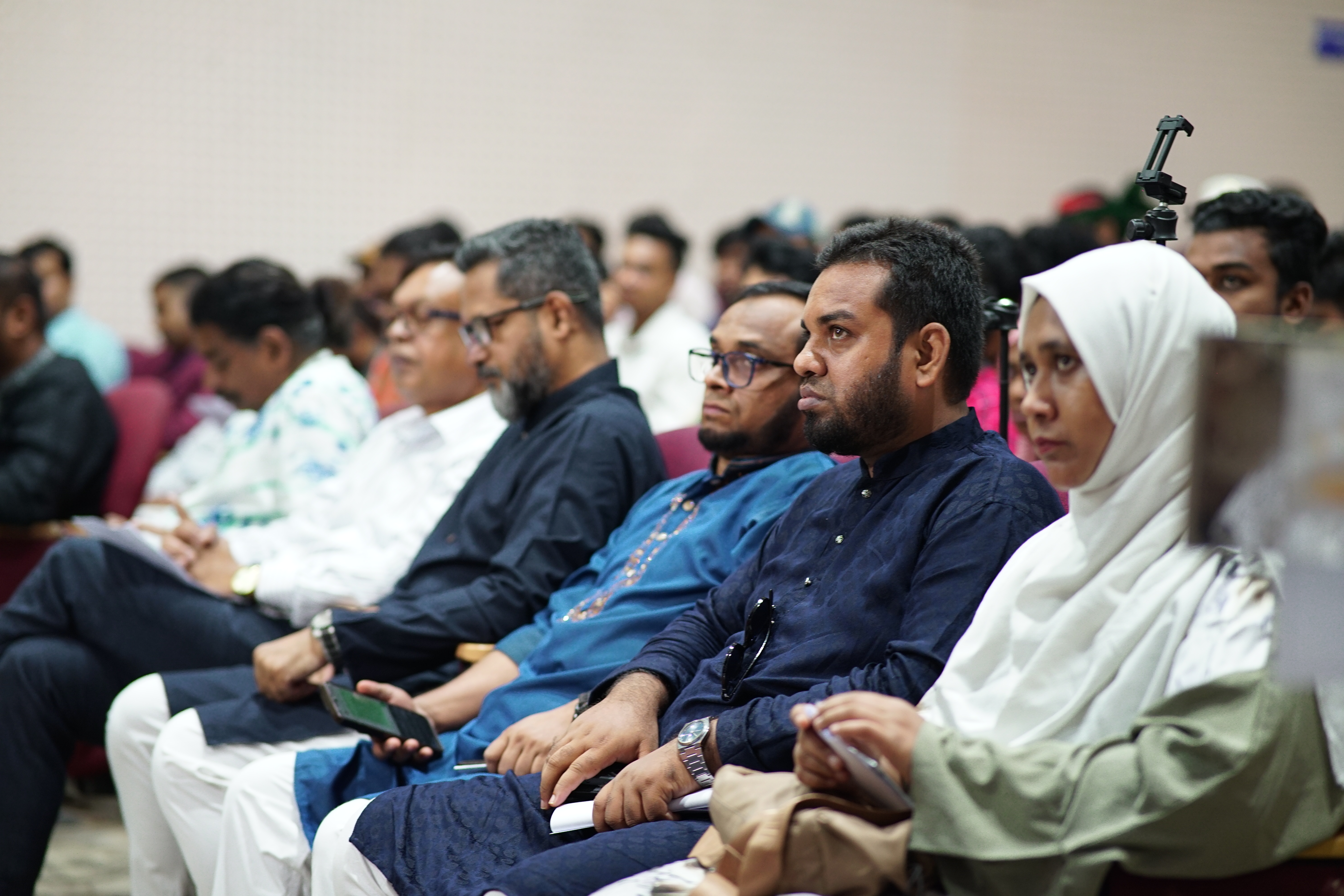
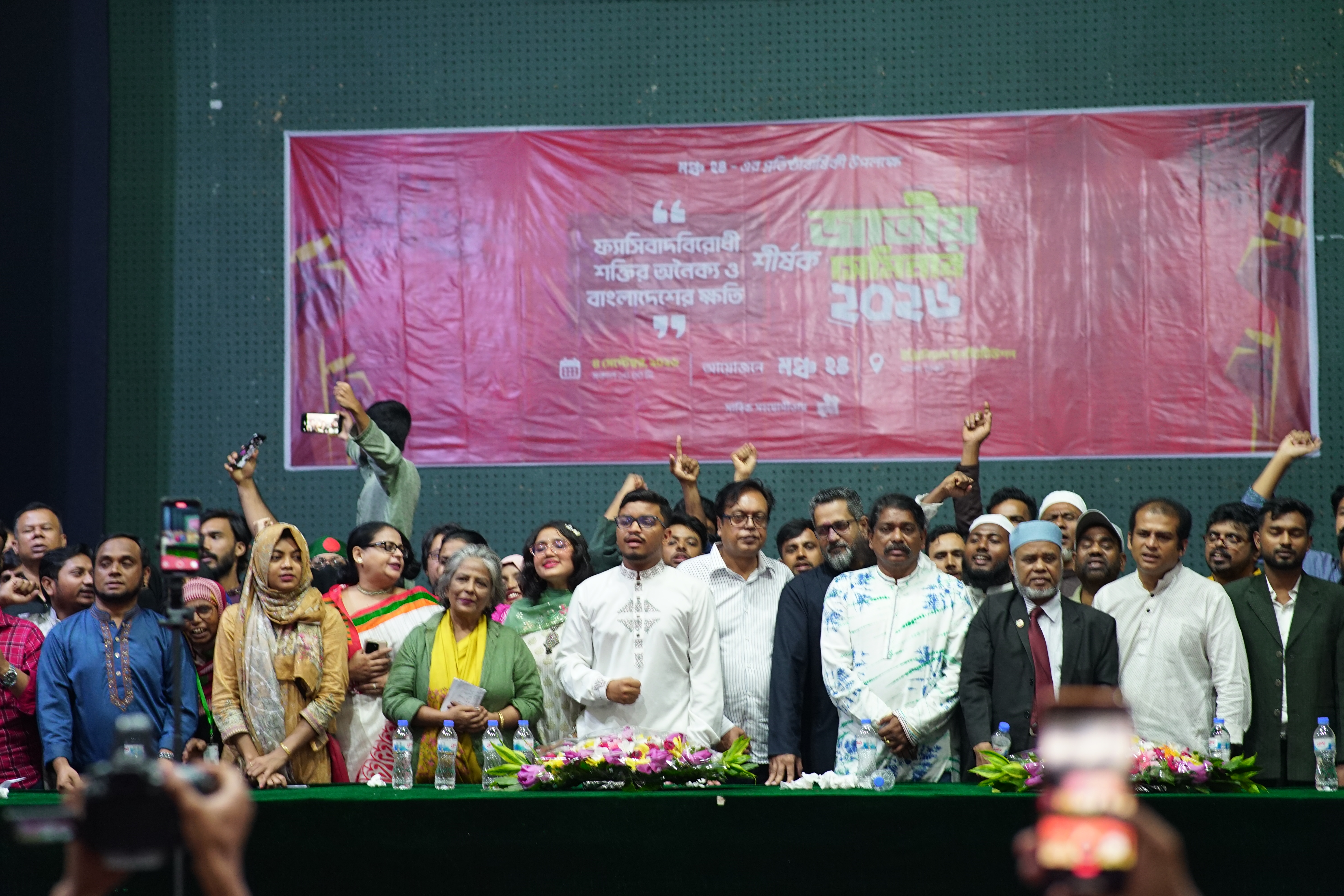
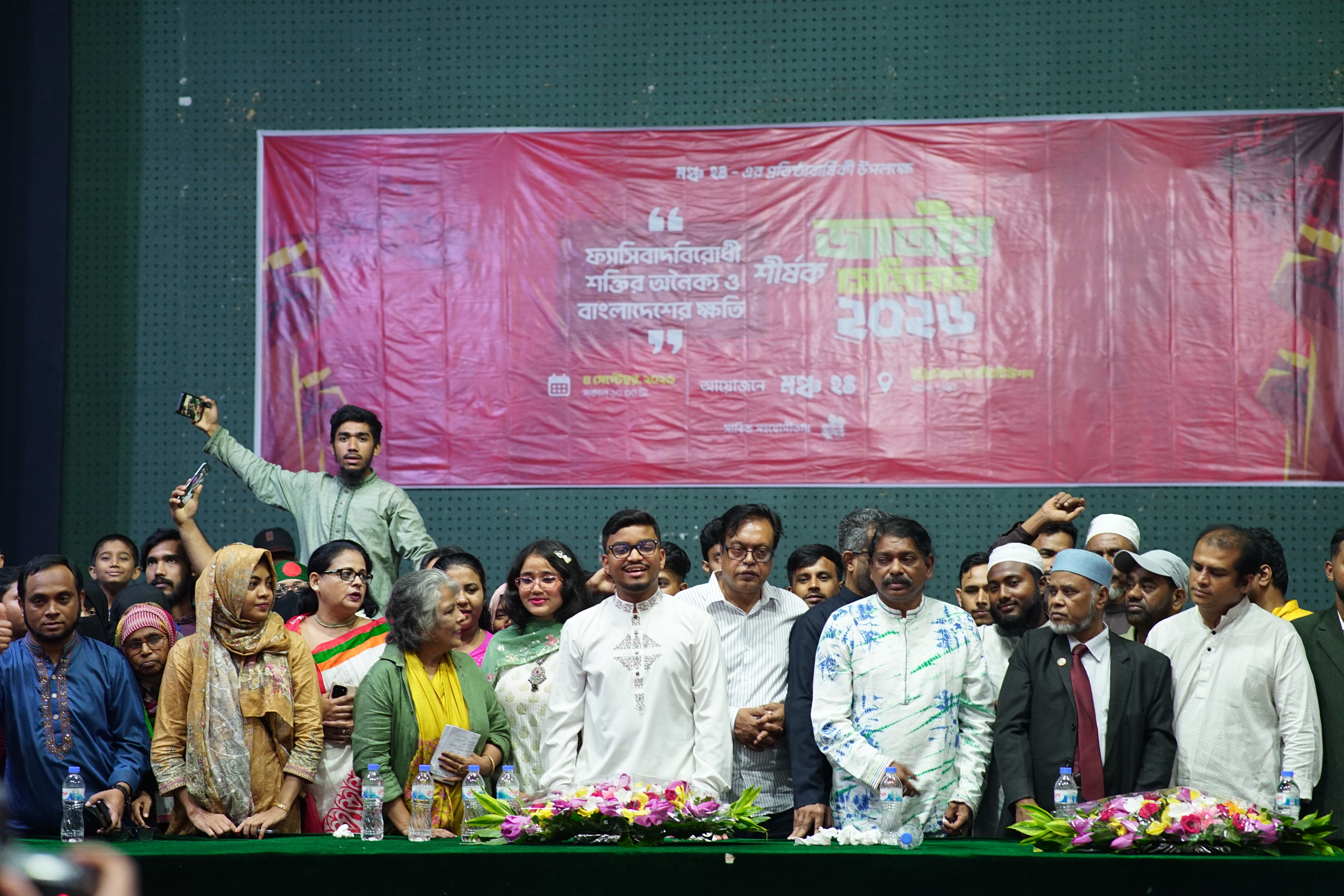
সামাজিক যোগাযোগমাধ্যমে যুক্ত থাকুন
ফাহিম ফারুকীর অফিসিয়াল সামাজিক যোগাযোগমাধ্যম